

In the world of social care and education, the safety of children is not just a priority—it’s the foundation of everything we do. As someone who has navigated the complexities of the care system both professionally and through lived experience, I know that having a clear point of contact for protection can be a lifeline for a child in need.
The Designated Safeguarding Lead (DSL) is that central figure. Whether you are a practitioner looking to step up or a parent trying to understand who is looking out for your child, understanding this role is vital.
Table Of Contents
What is a Designated Safeguarding Lead (DSL)?
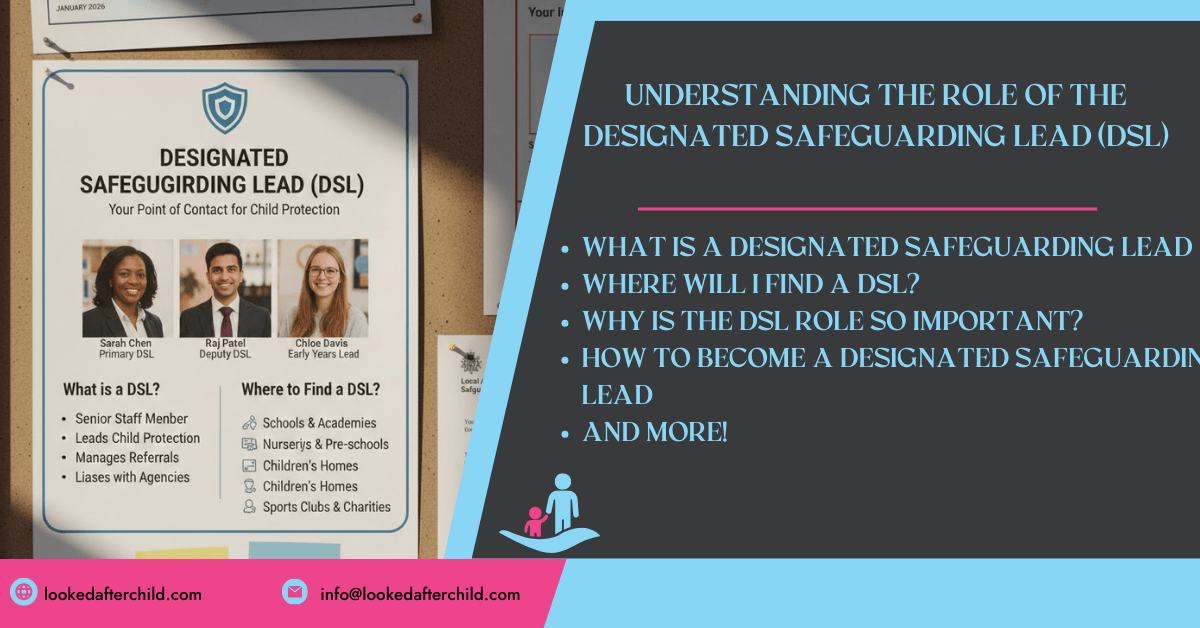
A Designated Safeguarding Lead (DSL) is a senior staff member within an organization—usually a school, college, or residential childcare setting—who takes lead responsibility for safeguarding and child protection.
While every staff member has a duty of care, the DSL is the specialist who manages referrals to social care, coordinates with external agencies, and ensures the organization follows strict legal safeguarding protocols.
Where Will I Find a DSL?
You will find a DSL in any environment where children or vulnerable adults are present. Specifically:
- Schools and Academies: Every school in the UK is legally required to have a DSL.
- Residential Childcare: In children's homes, a senior manager often holds this role to protect those in "looked after Child" status.
- Early Years Settings: Nurseries and pre-schools must have a trained lead.
- Charities and Sports Clubs: Any registered group working with minors should have a designated person for safety concerns.
Why is the DSL Role So Important?
The DSL acts as the "bridge" between an organization and the local authority. Their importance cannot be overstated for several reasons:
- Expert Oversight: They recognize the subtle signs of abuse or neglect that others might miss.
- Action & Referrals: They are the ones who make the difficult call to Social Services or the Police to ensure a child is removed from harm.
- Support for Staff: Safeguarding is heavy work. The DSL provides the guidance and emotional support staff need when they raise a concern.
- Consistency: They ensure that child protection records are kept meticulously, which is crucial for long-term "Life Story" work and legal clarity.
How to Become a Designated Safeguarding Lead
Stepping into a DSL role requires a blend of professional training and a high level of emotional intelligence.
- Foundational Training: You must first complete "Level 1 and 2" Safeguarding training.
- Advanced DSL Training: You need specific "Level 3" DSL training, which covers legislation, handling disclosures, and multi-agency working.
- Maintain Seniority: The DSL must be a senior member of the leadership team to ensure they have the authority to make critical decisions.
- Regular Updates: In 2026, the digital landscape is part of safeguarding. You must stay updated on online safety, AI risks, and regional legislative changes.
Instead of one DSL, Social Services uses a system of specialized leaders and teams to ensure no child or vulnerable adult is overlooked:
- Designated Professionals: Local authorities employ senior experts—often Designated Nurses, Doctors, or Social Workers—who provide strategic leadership across the entire region.
- The MASH Team (Multi-Agency Safeguarding Hub): This is the "front door" of Social Services. It isn't run by one person, but by a team of professionals from the police, health, and social care who decide together how to keep a child safe.
- LADO (Local Authority Designated Officer): This is a specific role within the local authority. While a DSL manages concerns about children, the LADO manages concerns about adults who work with children (like a teacher or a foster carer).
- Service Managers: Within a social work team, a Service Manager acts as the final decision-maker for high-risk cases, similar to the "authority" a DSL has in a school.
Frequently Asked Questions (FAQ)
Who can I talk to if the DSL is unavailable? Every organization should have a Deputy DSL who is trained to the same standard and can step in immediately.
Does a DSL work with the police? Yes. The DSL is the primary point of contact for "Operation Encompass" or any police investigations involving a child in their care.
Is a DSL the same as a Social Worker? No. A DSL works within an organization (like a school), while a Social Worker works for the Local Authority. They work together closely, but their roles are distinct.

0 Comments