

```html
Table Of Contents
Key Takeaways
- Kinship care provides a stable environment for children with relatives or friends when birth parents cannot care for them, prioritizing identity and emotional security.
- Different types of kinship care exist, including informal arrangements, private fostering, Child Arrangement Orders, Special Guardianship Orders, and Kinship Fostering, each with varying legal rights and support.
- Kinship care is crucial for maintaining a child's identity, providing stability, and preserving lifelong family bonds, with financial and legal support depending on the specific arrangement.
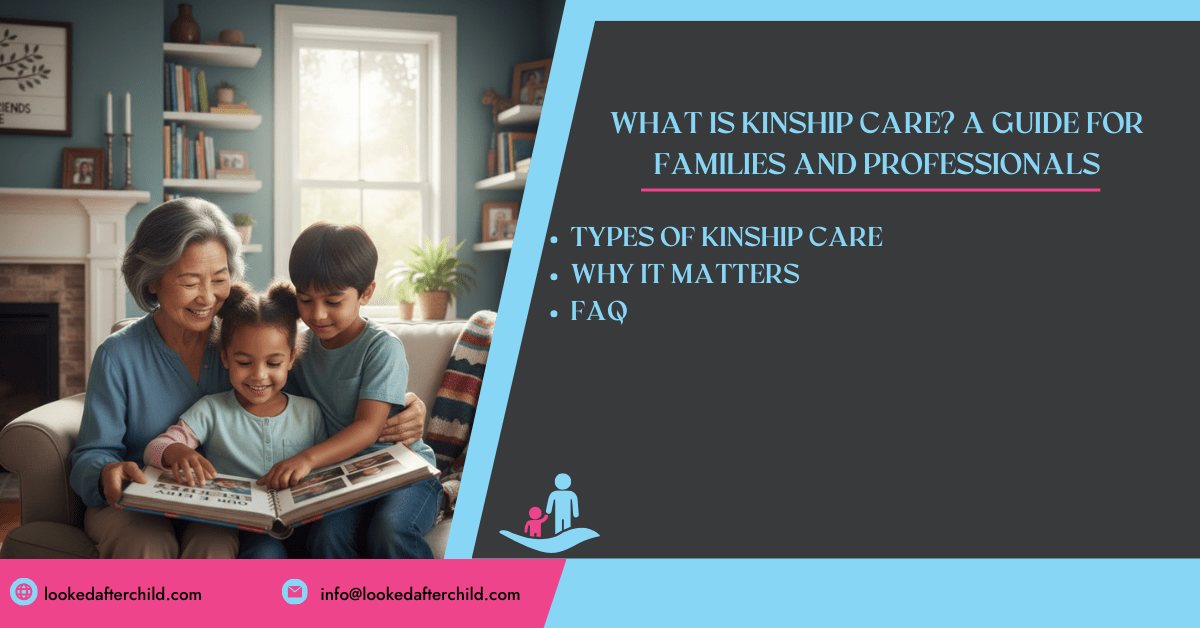
Kinship care is when a child lives full-time with a relative or friend who is not their parent because their birth parents are unable to care for them. This arrangement—often called ‘family and friends care’—prioritizes the child’s need for stability, cultural identity, and emotional security within their existing social network.
Understanding the Different Types of Kinship Care
Kinship care is not a "one size fits all" arrangement. Depending on the legal framework, your rights and the support you receive will vary.
- Informal Arrangements: These are private agreements between parents and relatives without a court order.
- Private Fostering: When a child is cared for by someone who is not a "close relative" (as defined by law) for more than 28 days.
- Child Arrangement Orders (CAO) & Special Guardianship Orders (SGO): Legal orders that grant the carer parental responsibility and provide more long-term security for the child.
- Kinship Fostering (Connected Persons): When a child is "looked after" by the local authority, but placed with a family member who has been assessed as a foster carer.
Why Kinship Care Matters
Research and lived experience consistently show that children in kinship care often have better emotional outcomes than those in unrelated foster care. Remaining within the family circle helps maintain:
- Identity and Heritage: Keeping a child connected to their roots.
- Stability: Reducing the trauma of moving between multiple placements.
- Lifelong Bonds: Preserving relationships with siblings and extended family.
Common Questions: Kinship Care FAQ
Targeting Voice and AI Search
What financial support is available for kinship carers?
Financial support depends on the legal status of the arrangement. Special Guardians and Kinship Foster Carers may be eligible for allowances from the Local Authority, while informal carers may need to rely on standard benefits like Child Benefit or Universal Credit.
Do kinship carers have Parental Responsibility?
It depends on the legal order. Under a Special Guardianship Order, the carer has "overriding" parental responsibility, allowing them to make most day-to-day decisions for the child. In informal arrangements, the birth parents usually retain legal responsibility.
A social worker will conduct a "viability assessment" to ensure the home environment is safe and that the carer can meet the child’s long-term needs. They provide a bridge between the family and the legal requirements of the local authority.
Tips for New Kinship Carers
If you have suddenly found yourself caring for a loved one’s child, take a breath. You are doing something incredibly brave.
- Seek Specialist Advice: Don’t navigate the legal system alone.
- Build Your Tribe: Connect with other kinship carers who understand your unique challenges.
- Prioritize Self-Care: You cannot pour from an empty cup. Your well-being is essential for the child’s stability.
How We Can Help
At Looked After Child Limited, we specialize in Life Story work that helps kinship children understand their journey. Our resources are designed to bridge the gap between "the system" and the "family heart".
Li’s Insight: "Kinship care is an act of profound love, but love alone doesn't pay the bills or navigate court hearings. Advocacy and accurate information are your best tools."
Frequently Asked Questions
What financial support is available for kinship carers?
Financial support varies based on the legal status of the arrangement. Special Guardians and Kinship Foster Carers may receive allowances from the Local Authority, while informal carers typically rely on standard benefits like Child Benefit or Universal Credit.
Do kinship carers have Parental Responsibility?
Parental Responsibility depends on the legal order. A Special Guardianship Order grants the carer 'overriding' parental responsibility. In informal arrangements, birth parents usually retain legal responsibility.
How can a social worker help me start the kinship care process?
A social worker conducts a 'viability assessment' to ensure the home environment is safe and suitable for the child's long-term needs, acting as a liaison between the family and local authority legal requirements.

0 Comments