Explore the crucial importance of recognizing and supporting diverse family structures in care, moving beyond traditional stereotypes to foster culturally competent, tailored, and empathetic services for all children and young people.
Kinship Care
The core subject of the guide, detailing arrangements where children live with relatives or friends.
Geographic Proximity and Community Ties: Essential for Placement Continuity
This article explores how maintaining geographic proximity and strong community ties is essential for ensuring placement continuity for children in care, reducing trauma, and fostering healthy development.
Recruiting and Supporting Foster Carers for Sibling Groups
Discover effective strategies for recruiting and supporting foster carers specifically for sibling groups. This article addresses the unique challenges and essential support systems required to keep siblings together in foster care, promoting stability and positive outcomes.
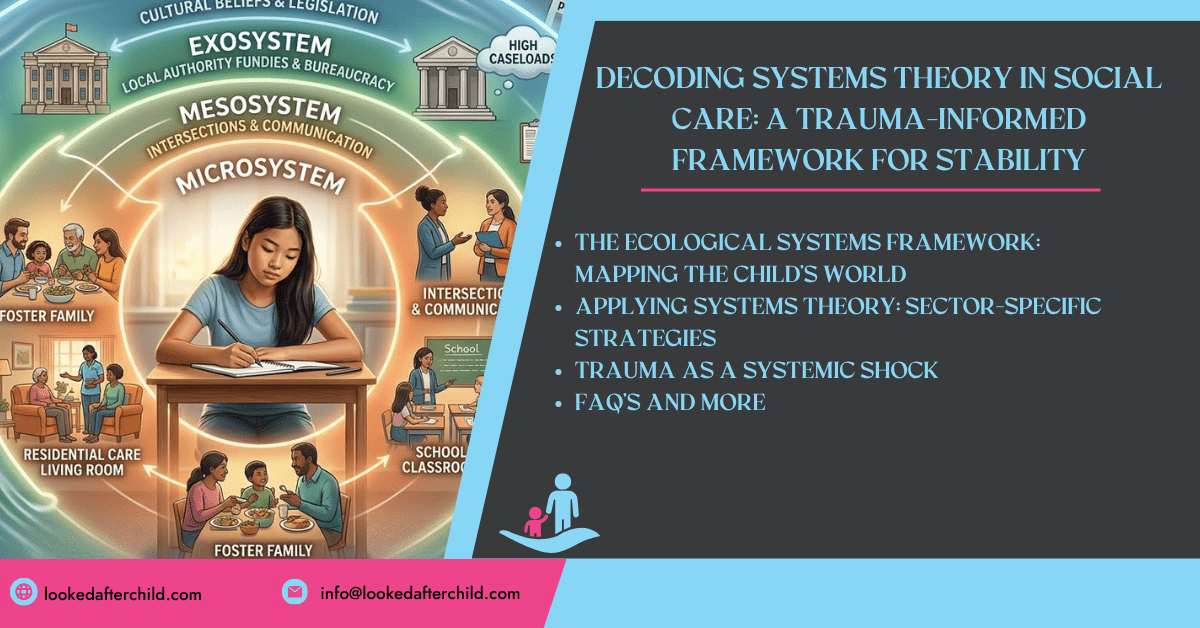
Decoding Systems Theory in Social Care: A Trauma-Informed Framework for Stability
Systems theory in social care is an operational framework that views a child not in isolation, but as a central figure within a complex, interconnected network of environments—from their immediate residential placement to broader legislative structures. To create sustainable, trauma-responsive...
Understanding Section 20 Accommodation under the Children Act: Your Guide to Protecting Children’s Rights
Section 20 of the Children Act 1989 is a voluntary legal provision where a local authority provides temporary accommodation for a child when their parents are temporarily unable to care for them, or when there is no one with parental responsibility. Crucially, this arrangement does not involve a...
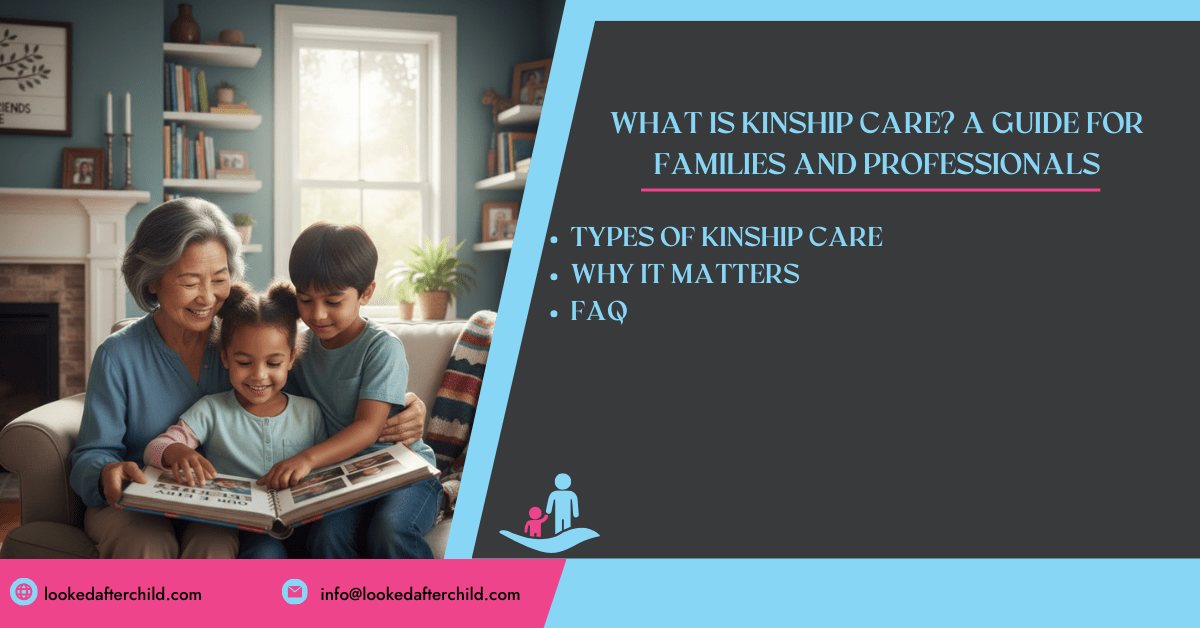
What is Kinship Care? A Guide for Families and Professionals
```html Key Takeaways Kinship care provides a stable environment for children with relatives or friends when birth parents cannot care for them, prioritizing identity and emotional security. Different types of kinship care exist, including informal arrangements, private fostering, Child...
What Is an Interim Care Order? Section 38 of the Children Act 1989
If you are reading this, you might have just heard the term "Interim Care Order" in a Family Court, a solicitor's office, or a meeting with social services. I know the feeling—the sudden drop in your stomach when legal terms start flying around. It feels overwhelming. But let’s pause and take a...
What is a looked after child / Child In Care
A comprehensive guide to understanding what constitutes a ‘looked after child’ or ‘child in care’ within the UK’s child welfare system, covering legal definitions, reasons for entry into care, and placement types.
Understanding Section 31 Care Orders: A Comprehensive Guide
A Section 31 Care Order also know as a full care order is a significant legal measure in the UK that grants the local authority responsibility for a child's care. This means decisions about the child's upbringing, including where they live, their education, and their healthcare, are made by the...