

“`html
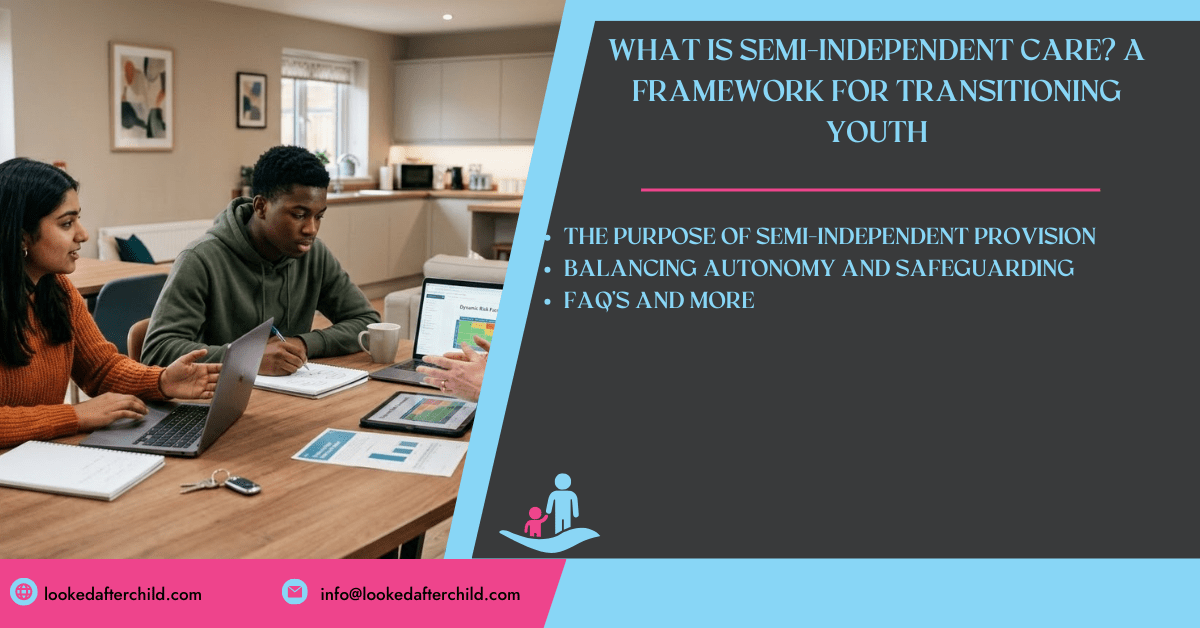
Semi-independent care is a structured, transitional accommodation provision designed for young people—typically aged 16 to 18—who are preparing to leave the statutory care system. It bridges the critical gap between heavily supported placements, such as foster care or children’s homes, and full adult independence by providing tailored, step-down support in a secure environment.
For professionals and carers, understanding this model is vital. The transition to adulthood is a period of heightened vulnerability for care-experienced youth. A successful semi-independent placement relies on trauma-responsive practices that balance necessary safeguarding with the gradual introduction of personal autonomy.
Table Of Contents
The Purpose of Semi-Independent Provision
The primary objective of semi-independent care is not simply to provide a roof over a young person’s head, but to actively equip them with the life skills required to sustain a tenancy and thrive in the community.
Drawing from NVQ Level 4 standards and frontline residential leadership, a high-quality semi-independent setting focuses on building robust protective factors:
- Practical Life Skills: Staff guide young people through essential daily tasks, including budgeting, meal preparation, household maintenance, and navigating the benefits system.
- Education and Employment Support: Key workers assist in securing and maintaining college placements, apprenticeships, or employment, ensuring the young person has a structured daily routine.
- Emotional Regulation and Resilience: Transitioning out of care can trigger historical trauma and anxieties regarding abandonment. A trauma-informed staff team provides consistent, boundaried emotional support to help young people manage these feelings constructively.
- Community Integration: Encouraging young people to build healthy, safe support networks outside of the care system is a fundamental operational goal.
Balancing Autonomy and Safeguarding
One of the most complex operational challenges in semi-independent care is managing risk while actively promoting independence. Unlike a children’s home, where staff are present to manage every aspect of a child’s day, semi-independent settings require young people to take ownership of their choices.
Professionals must utilize dynamic risk assessments that evolve as the young person’s competency grows. If a young person makes a mistake—such as mismanaging their weekly allowance—the professional response must be supportive and educational rather than punitive. It is about allowing young people the dignity of risk within a carefully monitored safety net, ensuring they learn from natural consequences before they are living entirely alone.
Frequently Asked Questions (FAQs)
Who is eligible for semi-independent care? Semi-independent care is generally designated for young people aged 16 to 17 (and occasionally up to 21 for care leavers under specific local authority agreements) who are assessed as having the foundational skills and emotional readiness to live with reduced supervision.
How does semi-independent care differ from residential care? Residential care (children’s homes) provides intensive, 24/7 supervision and care for vulnerable children. Semi-independent care is a “step-down” provision. While staff are available for support and key-work sessions, young people have greater freedom, manage their own routines, and are expected to take active responsibility for their daily lives.
What qualifications do staff in semi-independent settings need? While historical regulations varied, the sector is increasingly moving toward standardized qualifications to ensure high-quality support. Staff are expected to hold or be working towards relevant health and social care qualifications (such as NVQ Level 3 or 4) and must undergo comprehensive training in trauma-responsive care, safeguarding, and de-escalation techniques.
How is a young person’s progress measured in this setting? Progress is typically tracked through a tailored pathway plan or independent living framework. Key workers collaborate with the young person and their social worker to set measurable goals—ranging from opening a bank account to consistently attending college—and regularly review these targets to ensure the placement remains effective and supportive.
“`
0 Comments