Parents and carers, especially foster carers, kinship carers, and the social workers supporting looked after children and care leavers, often carry a heavy mix of daily pressures and big hopes for the future. When trauma, mental health challenges, unstable housing, and stigma are in the...

Communication Skills
Guidance on developing effective verbal and non-verbal communication abilities in children.
Your Right to Complain: A Guide for Children in Care
Hello, I’m Li Jean-Luc Harris. As someone who has navigated the care system myself and now works to support young people like you, I want to talk about something incredibly important: your voice. Sometimes, things don’t go the way they should. Maybe you feel you aren't being listened to, or...
How to Build Resilience While Living in Care: Your Guide to Staying Strong
Growing up in care comes with a unique set of challenges, but it also gives you a chance to build incredible inner strength. Building resilience in care means developing the ability to bounce back from difficult situations, manage stress, and keep moving forward toward your goals. While it might...
The Power of Professional Curiosity: Why “Digging Deeper” Saves Lives
As a residential childcare professional or social worker, you are often the first line of defense for a child’s safety. But the most critical information isn't always found in a formal report—it’s hidden in the gaps, the silences, and the "small" details that don't quite add up. This is where...
The Real Panel: Why Care-Experienced Children Must Interview Prospective Foster Carers
In the social care sector, we talk a lot about "child-centered practice." But there is a massive difference between talking about children and letting them lead the conversation. Here is why this step isn't just a "nice to have"—it is a fundamental necessity for modern fostering, and why I, as a...
How to Nurture Your Child’s Natural Curiosity at Home: a Guide for UK Parents
Parents in the UK are in a powerful position to shape how their children feel about learning for the rest of their lives. Long before GCSEs, SATs or Ofsted reports, curiosity starts (and can be quietly snuffed out) at home. This guide is about how you can protect that spark and help your child...
Working with Your Social Worker Effectively: A Guide for Children in Care
Working With Your Social Worker Header Being in care can be a confusing time. You might have a lot of questions and worries about what's happening. One of the most important people in your life right now is your social worker. They're there to help you, but sometimes it's hard to know how to work...
Unleashing Creative Spirits: Guiding Children with Learning Disabilities Through Art
Discovering the art world offers profound therapeutic benefits for children with learning disabilities. It’s a powerful medium for self-expression and fosters an environment where inclusivity flourishes. By embracing the arts, you can unlock possibilities for your child, providing them a platform...
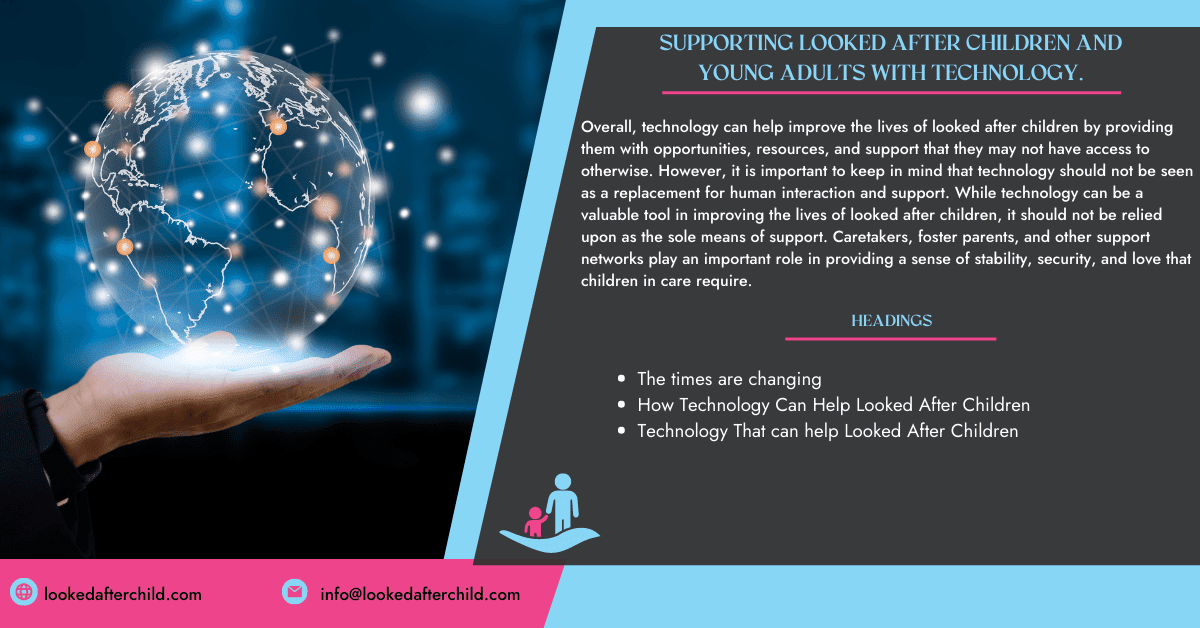
Supporting Looked After Children and Young Adults With Technology.
the times are changing, and it is important that we adapt to technology in our work to provide better support for Children in care. by using the following websites and applications we will be able to support young people with expressing there emotions and feelings, finding out about the care offers, building resilience and to handle there mental health. this can be done inside there own home and room. on technology that they are very familiar with. and allows people who struggle with speaking about their to empower themselves to get / find help when its most needed.
Advocate
An advocate is someone who will support you to make sure that your views and rights are respected, that you are treated fairly, your concerns are taken into account and you have real control over the big decisions in your life.
Research The Company Your Getting Interviewed For.
One of the most asked questions in an interview from my experience is "What Do You Know About "X" Company. in the past i have tried to bodge up a response that has worked but very rarely. the best approach to this question in my eyes is to research and record basic information from your Job...