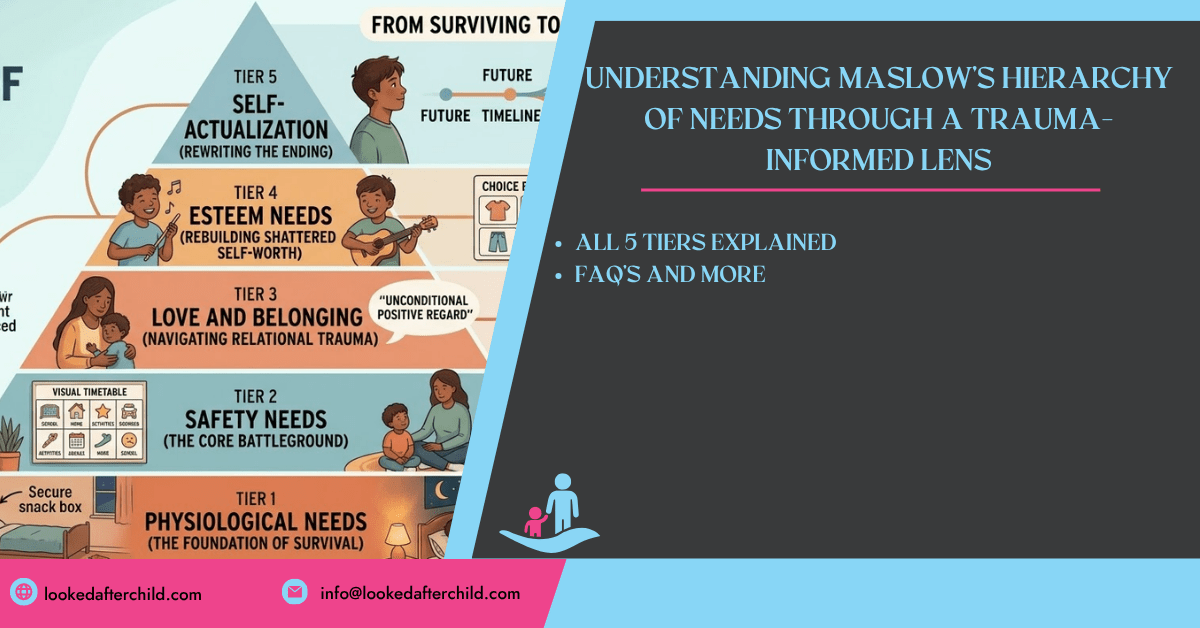
Tier 1: Physiological Needs (The Foundation of Survival) In a traditional sense, physiological needs include air, water, food, shelter, sleep, and clothing. In a residential or foster care setting, these are the baseline statutory requirements. However, providing these elements is only the first...
Results for "Mental Health"
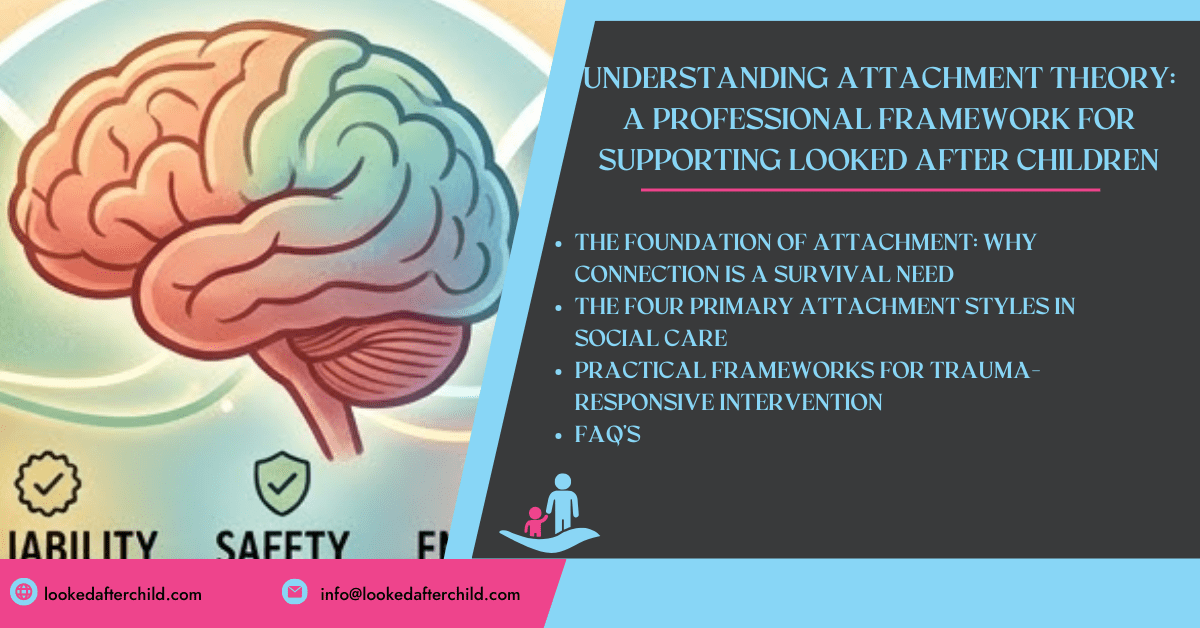
Understanding Attachment Theory: A Professional Framework for Supporting Looked After Children
Attachment theory is the fundamental psychological framework used to understand how the quality of early relationships between a child and their primary caregiver dictates the child's lifelong emotional, social, and cognitive development . For professionals in the social care sector—including...
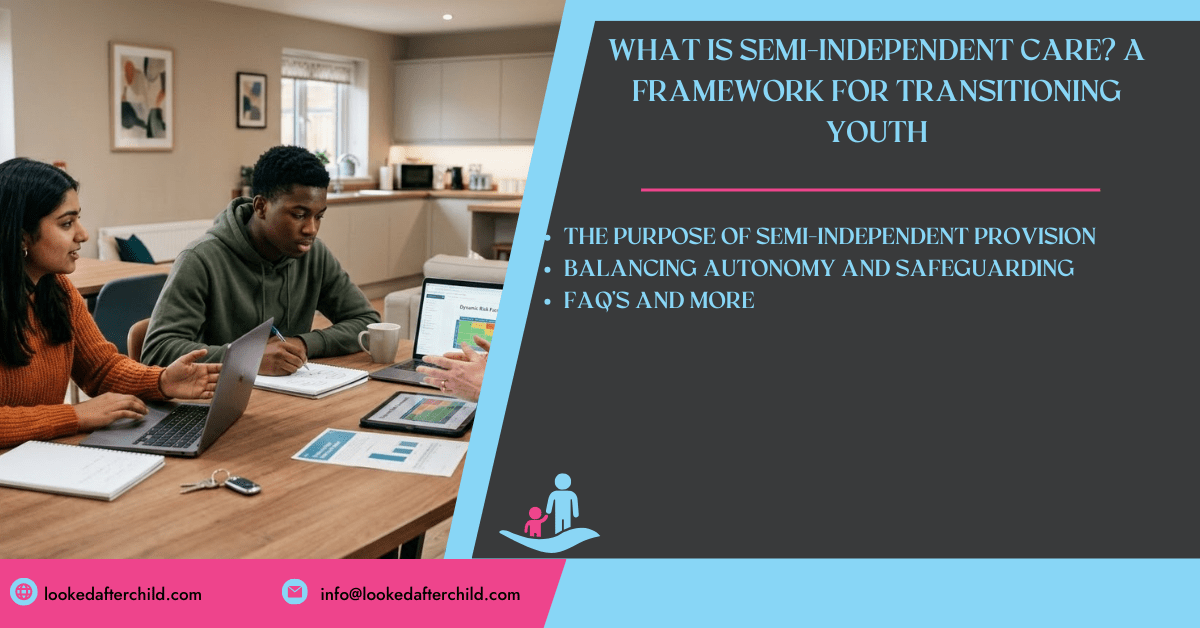
What is Semi-Independent Care? A Framework for Transitioning Youth
```html Semi-independent care is a structured, transitional accommodation provision designed for young people—typically aged 16 to 18—who are preparing to leave the statutory care system. It bridges the critical gap between heavily supported placements, such as foster care or children's homes, and...
Understanding Section 20 Accommodation under the Children Act: Your Guide to Protecting Children’s Rights
Section 20 of the Children Act 1989 is a voluntary legal provision where a local authority provides temporary accommodation for a child when their parents are temporarily unable to care for them, or when there is no one with parental responsibility. Crucially, this arrangement does not involve a...
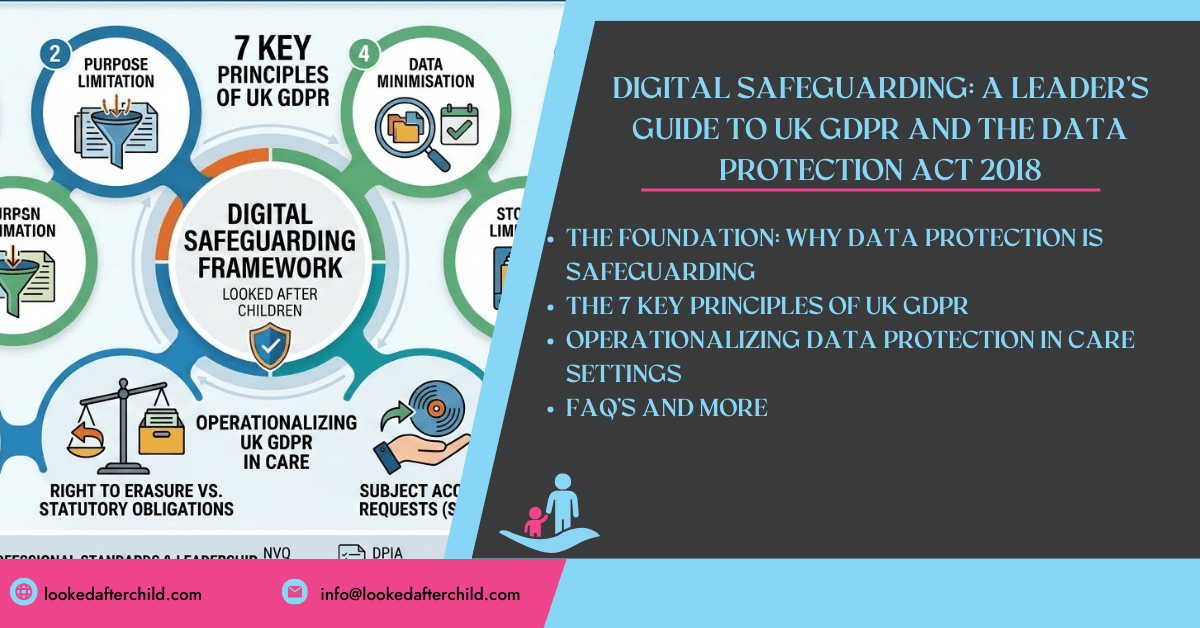
Digital Safeguarding: A Leader’s Guide to UK GDPR and the Data Protection Act 2018
A comprehensive guide for leaders on navigating UK GDPR and the Data Protection Act 2018 to ensure robust digital safeguarding practices, particularly in care settings, emphasizing compliance, risk mitigation, and ethical data handling.
The Online Safety Act 2023: A 2026 Operational Guide for Care Professionals
What is the Online Safety Act 2023? The Online Safety Act 2023 is a comprehensive UK legislative framework, regulated by Ofcom, that legally compels tech companies, social media platforms, and search engines to protect users from illegal and harmful content. For those looking after...
What is a Waking Night Shift in Residential Childcare?
A waking night shift is a period of professional duty where a staff member remains fully awake and alert throughout the night to ensure the safety, wellbeing, and emotional support of children in a residential setting. Unlike a "sleep-in" shift, the staff member does not go to bed; they are...
Your Right to Complain: A Guide for Children in Care
A comprehensive guide for children in care on understanding and exercising their right to complain, detailing processes, support systems, and how to advocate for their well-being.
The Power of Professional Curiosity: Why “Digging Deeper” Saves Lives
As a residential childcare professional or social worker, you are often the first line of defense for a child’s safety. But the most critical information isn't always found in a formal report—it’s hidden in the gaps, the silences, and the "small" details that don't quite add up. This is where...
Beyond Advocacy: Looked After Child Limited Announces Evolution Into a Permanent Community Institution
```html Looked After Child Limited, a leading voice in the UK care sector, today announces a landmark evolution in its corporate structure and mission. After years of operating as a private limited entity, the organization is commencing a multi-year transition to become a Community Interest...
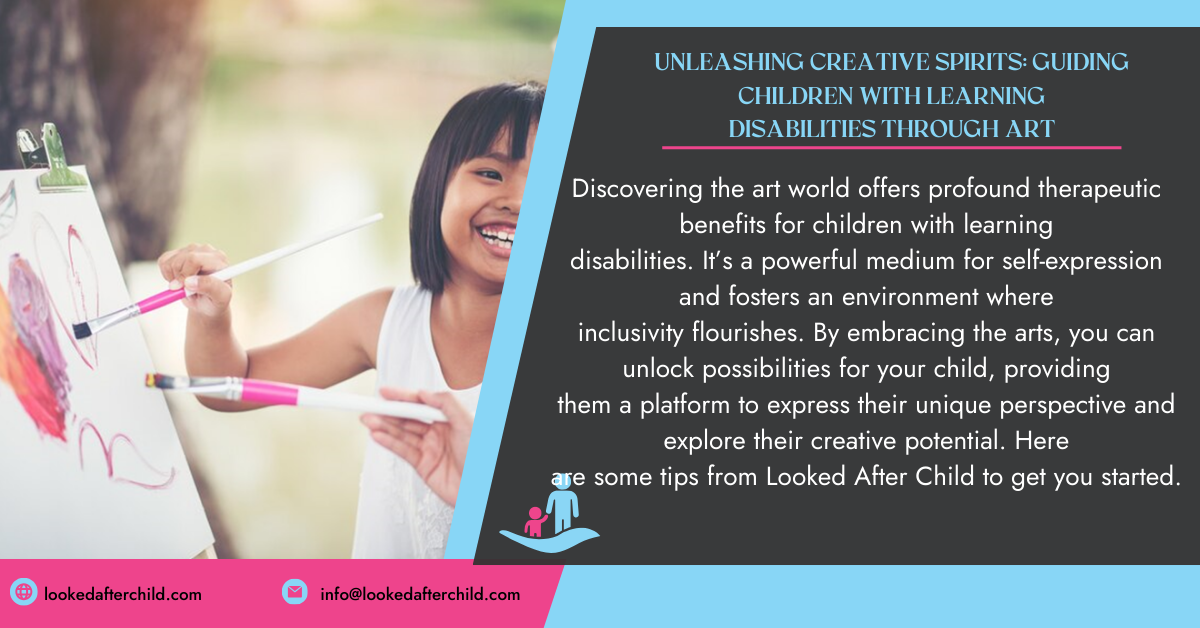
Unleashing Creative Spirits: Guiding Children with Learning Disabilities Through Art
Discovering the art world offers profound therapeutic benefits for children with learning disabilities. It’s a powerful medium for self-expression and fosters an environment where inclusivity flourishes. By embracing the arts, you can unlock possibilities for your child, providing them a platform...
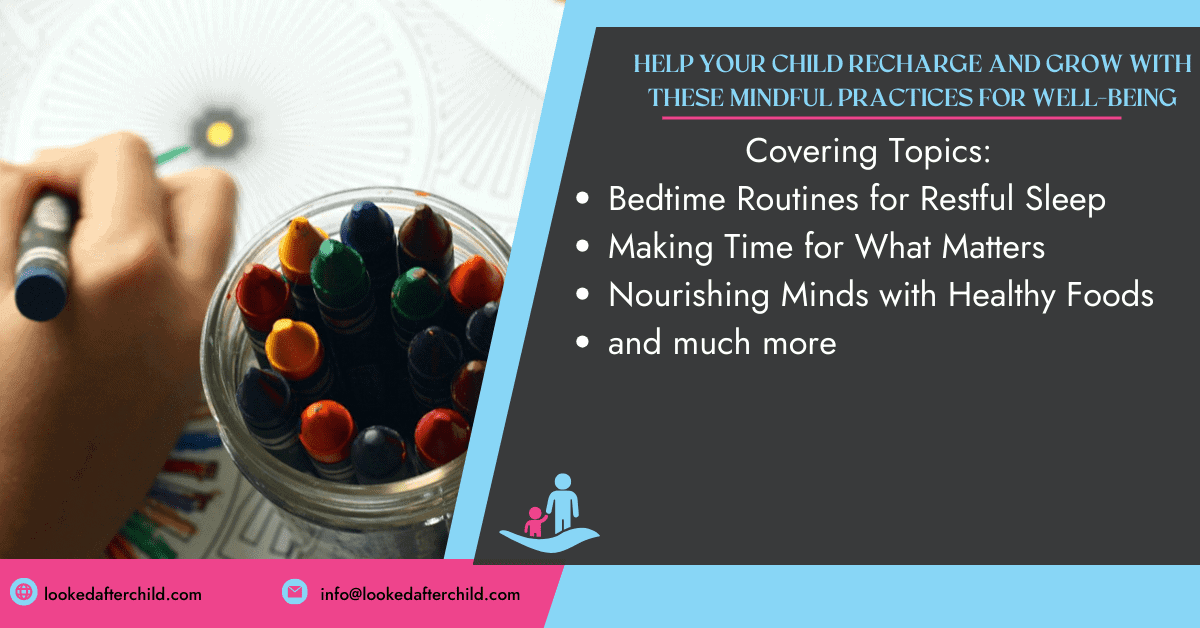
Help Your Child Recharge and Grow With These Mindful Practices for Well-Being
In our relentlessly fast-paced world, you play a crucial role in steering children towards activities that promote relaxation and mindfulness. Your exploration into these simple yet deeply impactful activities is key to enhancing the well-being of young minds. You are instrumental in nurturing a...