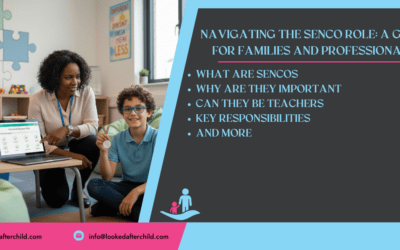
In my years working within the care system and sharing life stories, I’ve seen how pivotal one person can be in changing a child's trajectory. When a child has additional needs, that person is often the Special Educational Needs Coordinator, or SENCO. Understanding this role is vital whether you...
School Support
Resources and guidance for professionals and families navigating the educational system and school-based interventions.
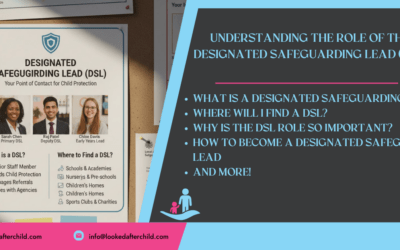
Understanding the Role of the Designated Safeguarding Lead (DSL)
In the world of social care and education, the safety of children is not just a priority—it’s the foundation of everything we do. As someone who has navigated the complexities of the care system both professionally and through lived experience, I know that having a clear point of contact for...
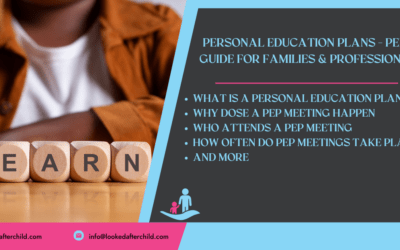
Personal Education Plans – PEP: A Guide for Families & Professionals
If you are caring for a looked-after child, or you are a professional new to the sector, the acronyms can feel endless. But the Personal Education Plan (PEP) is one of the most vital tools we have. In my years of experience, both living through the care system and working within it, I’ve seen PEP...
How to Nurture Your Child’s Natural Curiosity at Home: a Guide for UK Parents
Parents in the UK are in a powerful position to shape how their children feel about learning for the rest of their lives. Long before GCSEs, SATs or Ofsted reports, curiosity starts (and can be quietly snuffed out) at home. This guide is about how you can protect that spark and help your child...
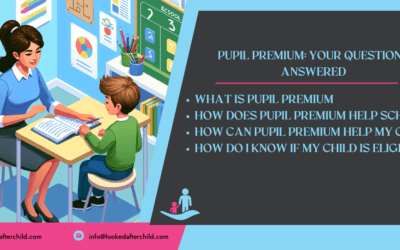
Pupil Premium: Your Questions Answered
What is Pupil Premium? Pupil Premium is a government funding initiative designed to assist schools in supporting looked after children and those who have left care. This funding is allocated to schools based on the number of students they have who are eligible for the program. How Does Pupil...
SEND – Special educational needs and disability
SEND stands for Special Educational Needs And disabilities and can affect a child’s or young person’s ability to learn. this can affect their: Social Skills, Abilities to make friends, Reading and writing Issues, Ability to understand things, Concentration Issues or Physical Abilities.