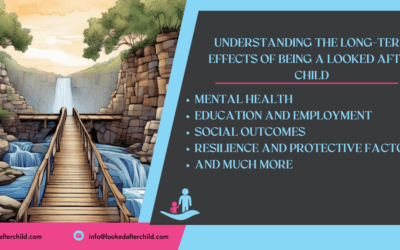
Introduction: Being a looked after child can have a profound and lasting impact on a young person's life. While every experience is unique, there are common challenges and long-term effects that care leavers often face. This article aims to shed light on these effects, emphasizing the importance...
Mental Health
Promoting emotional, psychological, and social well-being for children in care.
Working with Your Social Worker Effectively: A Guide for Children in Care
Working With Your Social Worker Header Being in care can be a confusing time. You might have a lot of questions and worries about what's happening. One of the most important people in your life right now is your social worker. They're there to help you, but sometimes it's hard to know how to work...
Unleashing Creative Spirits: Guiding Children with Learning Disabilities Through Art
Discovering the art world offers profound therapeutic benefits for children with learning disabilities. It’s a powerful medium for self-expression and fosters an environment where inclusivity flourishes. By embracing the arts, you can unlock possibilities for your child, providing them a platform...
Help Your Child Recharge and Grow With These Mindful Practices for Well-Being
In our relentlessly fast-paced world, you play a crucial role in steering children towards activities that promote relaxation and mindfulness. Your exploration into these simple yet deeply impactful activities is key to enhancing the well-being of young minds. You are instrumental in nurturing a...
Supporting Looked After Children who have suffered from Sexual Abuse: Resources and Support
Sexual abuse is a traumatic experience that can have a profound impact on the lives of those who have suffered through it. For looked after children, the experience can be even more complex and devastating, leaving them feeling isolated and in need of support and care. In this article, we will...
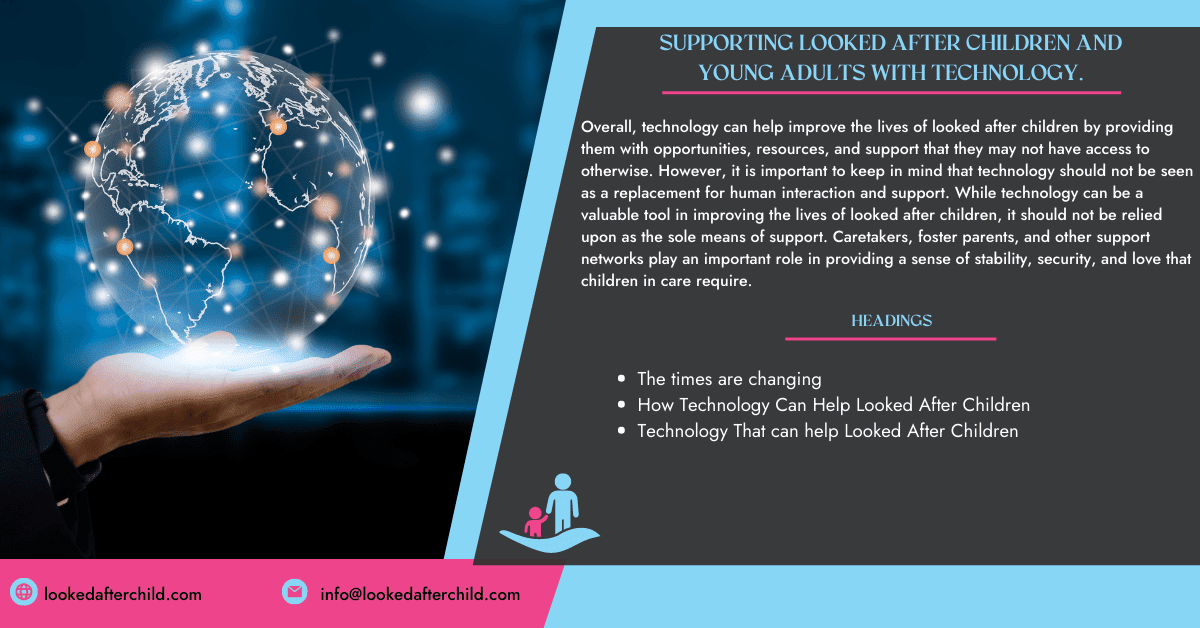
Supporting Looked After Children and Young Adults With Technology.
the times are changing, and it is important that we adapt to technology in our work to provide better support for Children in care. by using the following websites and applications we will be able to support young people with expressing there emotions and feelings, finding out about the care offers, building resilience and to handle there mental health. this can be done inside there own home and room. on technology that they are very familiar with. and allows people who struggle with speaking about their to empower themselves to get / find help when its most needed.
Am I Impacted by Generational Trauma, and How to Get Help?
Generational trauma refers to the traumatic experiences that are passed down from one generation to the next. This trauma can have lasting impacts on individuals, communities, and even entire societies. In this article, we will explore the signs and symptoms of generational trauma and provide you...
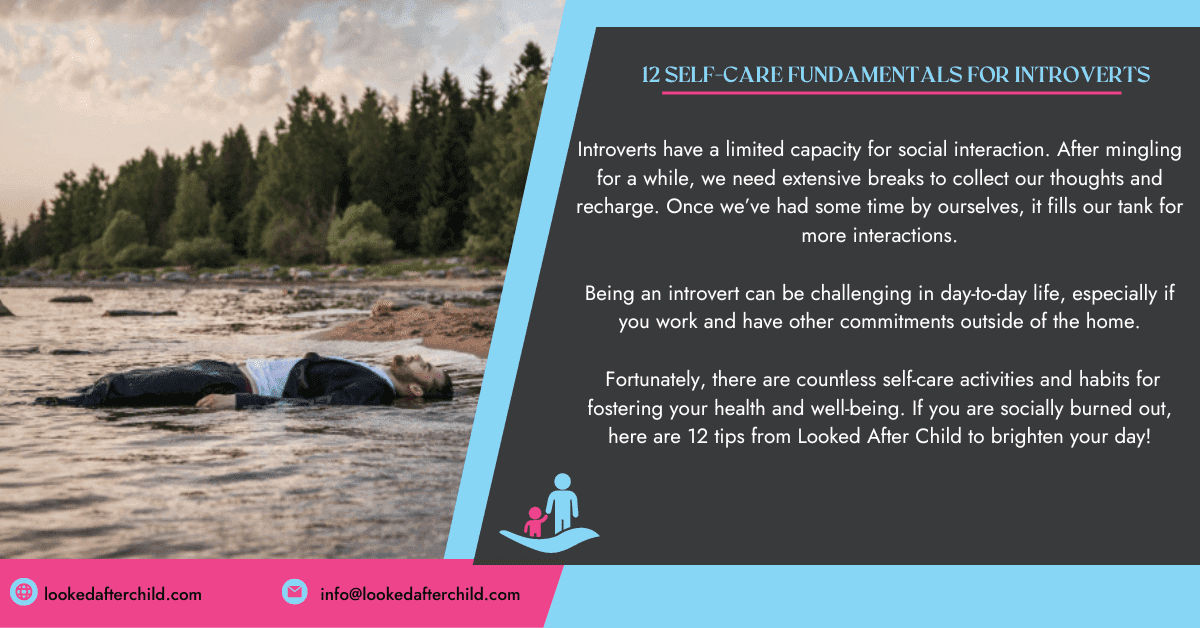
12 Self-Care Fundamentals for Introverts
Being an introvert can be challenging in day-to-day life, especially if you work and have other commitments outside of the home. Fortunately, there are countless self-care activities and habits for fostering your health and well-being. If you are socially burned out, here are 12 tips from Looked After Child to brighten your day!
Emergency Support: What Is the Social Services ‘Out of Hours’ Team?
The Social Services Out of Hours deals with all social services emergencies and statutory duties, which arise outside normal office hours. Weekdays 5pm until 9am, Weekends And Bank Holidays.
Social Worker
Introduction: Children's social workers play a critical role in the lives of children who are facing tough life situations. From providing support to families in need to advocating for the rights of children, these dedicated professionals work tirelessly to make a positive impact on the lives of...
Understanding Youth Homelessness: Lessons from the Frontline
Homelessness is often misunderstood as a singular event or a choice, but for many care leavers and vulnerable adults, it is a complex intersection of systemic gaps, unprocessed trauma, and a lack of protective factors. Drawing from my own journey through homelessness and my professional background...
SEND – Special educational needs and disability
SEND stands for Special Educational Needs And disabilities and can affect a child’s or young person’s ability to learn. this can affect their: Social Skills, Abilities to make friends, Reading and writing Issues, Ability to understand things, Concentration Issues or Physical Abilities.