This article explores the legal framework and various court orders that govern children in care, focusing on legislation like the Children Act 1989 and the responsibilities of local authorities as corporate parents.
Child Protection
The overarching efforts and legal frameworks aimed at safeguarding children from abuse, neglect, and exploitation.
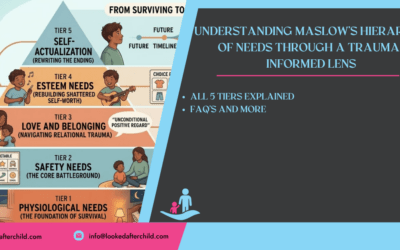
Understanding Maslow’s Hierarchy of Needs Through a Trauma-Informed Lens
Tier 1: Physiological Needs (The Foundation of Survival) In a traditional sense, physiological needs include air, water, food, shelter, sleep, and clothing. In a residential or foster care setting, these are the baseline statutory requirements. However, providing these elements is only the first...
What is Semi-Independent Care? A Framework for Transitioning Youth
```html Semi-independent care is a structured, transitional accommodation provision designed for young people—typically aged 16 to 18—who are preparing to leave the statutory care system. It bridges the critical gap between heavily supported placements, such as foster care or children's homes, and...
Professional Integrity: A Leader’s Guide to Whistleblowing in Social Care
Whistleblowing is the professional and ethical obligation to report serious concerns regarding wrongdoing, risk, or malpractice within a care setting to protect the safety and well-being of children. It is a vital safeguarding mechanism, protected under the Public Interest Disclosure Act 1998,...
Understanding Social Work Assessments: Why Professionals May Consult Your Community
Social services departments have a statutory duty to conduct thorough assessments, which often includes speaking with neighbours to gain a holistic view of a child’s living environment. This practice is not an attempt to intrude on your private life, but a professional requirement to triangulate...
Understanding Section 20 Accommodation under the Children Act: Your Guide to Protecting Children’s Rights
Section 20 of the Children Act 1989 is a voluntary legal provision where a local authority provides temporary accommodation for a child when their parents are temporarily unable to care for them, or when there is no one with parental responsibility. Crucially, this arrangement does not involve a...
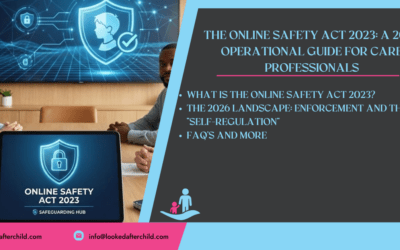
The Online Safety Act 2023: A 2026 Operational Guide for Care Professionals
What is the Online Safety Act 2023? The Online Safety Act 2023 is a comprehensive UK legislative framework, regulated by Ofcom, that legally compels tech companies, social media platforms, and search engines to protect users from illegal and harmful content. For those looking after...
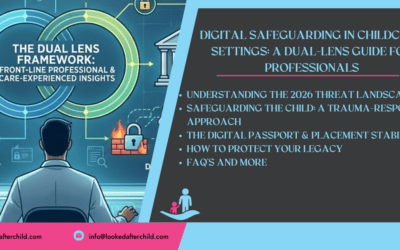
Digital Safeguarding in Childcare Settings: A Dual-Lens Guide for Professionals
Explore a comprehensive ‘dual-lens’ guide for digital safeguarding in childcare settings, empowering professionals with policies, training, and strategies to protect children from online risks while fostering digital literacy.
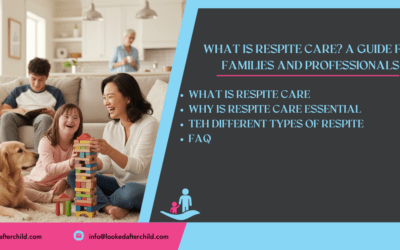
What is Respite Care? A Guide for Families and Professionals
If you are a parent navigating social services involvement or a dedicated professional in the residential childcare sector, you’ve likely heard the term "respite care". But what does it actually mean for the child and the adults supporting them? At Looked After Child, we believe that respite isn't...
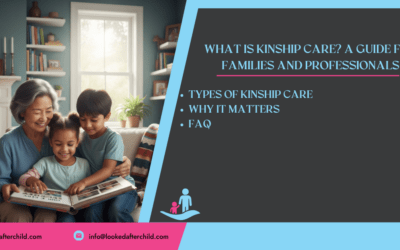
What is Kinship Care? A Guide for Families and Professionals
```html Key Takeaways Kinship care provides a stable environment for children with relatives or friends when birth parents cannot care for them, prioritizing identity and emotional security. Different types of kinship care exist, including informal arrangements, private fostering, Child...
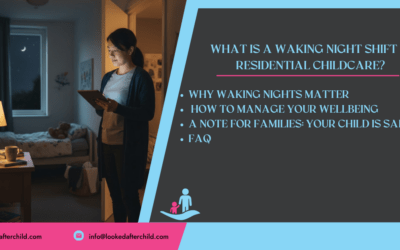
What is a Waking Night Shift in Residential Childcare?
A waking night shift is a period of professional duty where a staff member remains fully awake and alert throughout the night to ensure the safety, wellbeing, and emotional support of children in a residential setting. Unlike a "sleep-in" shift, the staff member does not go to bed; they are...
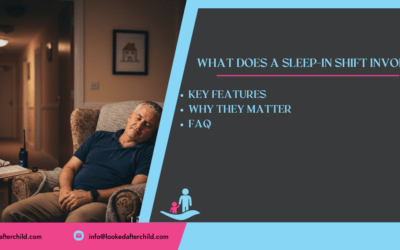
What Does a Sleep-In Shift Involve?
A sleep-in shift typically begins in the evening and ends the following morning. While the staff member is there to rest, they are "on-call" to respond immediately to any incidents, emotional distress, or emergencies that arise during the night. Key Features of a Sleep-In: Presence and Safety: The...