Hearing the words "Emergency Protection Order" can be one of the most terrifying moments in a parent's life. Everything moves fast—social workers, police, courts—and it can feel like you have absolutely no control. At Looked After Child, we believe that even in the scariest moments, knowledge is...
Caregiver Support
Resources and services designed to assist and sustain primary caregivers.
Everything You Need to Know About LAC / CLA Reviews: A Comprehensive Guide
Whether you are a foster carer, a residential childcare worker, or a connected person, understanding the statutory review process is vital. These meetings are not just administrative checkpoints; they are the moments where we ensure a child is safe, happy, and thriving. Here are the most...
How to Nurture Your Child’s Natural Curiosity at Home: a Guide for UK Parents
Parents in the UK are in a powerful position to shape how their children feel about learning for the rest of their lives. Long before GCSEs, SATs or Ofsted reports, curiosity starts (and can be quietly snuffed out) at home. This guide is about how you can protect that spark and help your child...
Understanding the Long-Term Effects of Being a Looked After Child
Introduction: Being a looked after child can have a profound and lasting impact on a young person's life. While every experience is unique, there are common challenges and long-term effects that care leavers often face. This article aims to shed light on these effects, emphasizing the importance...
Unleashing Creative Spirits: Guiding Children with Learning Disabilities Through Art
Discovering the art world offers profound therapeutic benefits for children with learning disabilities. It’s a powerful medium for self-expression and fosters an environment where inclusivity flourishes. By embracing the arts, you can unlock possibilities for your child, providing them a platform...
Help Your Child Recharge and Grow With These Mindful Practices for Well-Being
In our relentlessly fast-paced world, you play a crucial role in steering children towards activities that promote relaxation and mindfulness. Your exploration into these simple yet deeply impactful activities is key to enhancing the well-being of young minds. You are instrumental in nurturing a...
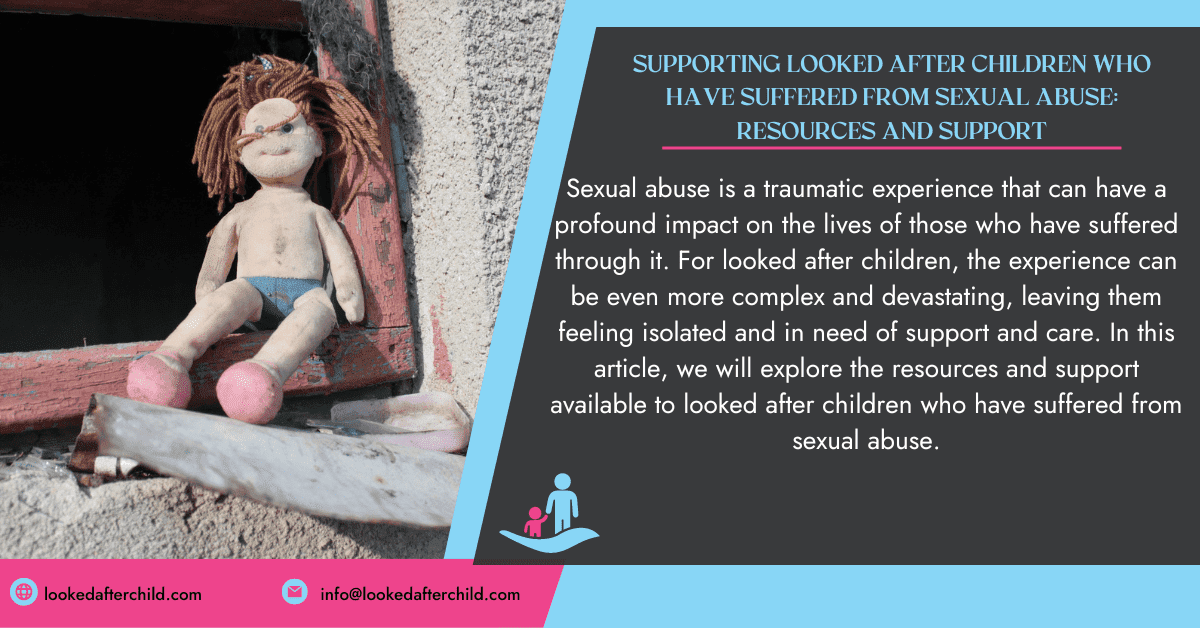
Supporting Looked After Children who have suffered from Sexual Abuse: Resources and Support
Sexual abuse is a traumatic experience that can have a profound impact on the lives of those who have suffered through it. For looked after children, the experience can be even more complex and devastating, leaving them feeling isolated and in need of support and care. In this article, we will...
Supporting Looked After Children and Young Adults With Technology.
Explore a comprehensive guide on leveraging technology to empower looked after children and young adults, focusing on digital literacy, safeguarding, and fostering connections for positive development.
Am I Impacted by Generational Trauma, and How to Get Help?
```html Generational trauma refers to the traumatic experiences that are passed down from one generation to the next. This trauma can have lasting impacts on individuals, communities, and even entire societies. In this article, we will explore the signs and symptoms of generational trauma and...
12 Self-Care Fundamentals for Introverts
Being an introvert can be challenging in day-to-day life, especially if you work and have other commitments outside of the home. Fortunately, there are countless self-care activities and habits for fostering your health and well-being. If you are socially burned out, here are 12 tips from Looked After Child to brighten your day!
Placement Disruption Meetings
Sometimes Placements just don’t work out, and that’s fine. A Disruption meeting will be called when a placement is close to breaking down or has ended abruptly this will normally happen prior to a Stability meeting but can be escalated straight to a disruption meeting depending on the placements Warning Procedures or the circumstance of the issue
Placement Stability Meeting
A Placement Stability Meeting will be called when the placement of a child in foster care, residential or a semi-independence placement is considered to be at risk of disrupting.