As the Director of Looked After Child Limited, I have spent over seven years on the frontline—from NVQ Level 4 leadership to the daily realities of managing a residential home. I have seen the "paper trail" of a child's life fail them repeatedly during transitions. In 2026, we are finally moving...

Trauma-Informed Care
Approaches to care that recognize and respond to the impact of trauma on individuals, promoting healing and resilience.
The Online Safety Act 2023: A 2026 Operational Guide for Care Professionals
What is the Online Safety Act 2023? The Online Safety Act 2023 is a comprehensive UK legislative framework, regulated by Ofcom, that legally compels tech companies, social media platforms, and search engines to protect users from illegal and harmful content. For those looking after...
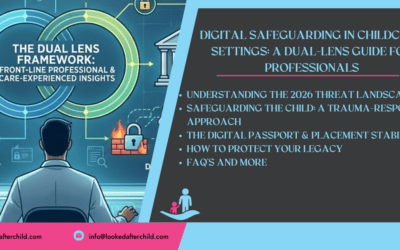
Digital Safeguarding in Childcare Settings: A Dual-Lens Guide for Professionals
In 2026, safeguarding is no longer about managing "screen time"; it is about managing digital ecosystems. As we navigate this landscape through the Dual Lens—combining my seven years of residential leadership with my own care-experienced journey—we must recognize that for a child in care, the...
How Parents Can Nurture Leadership Skills in Kids Every Day
Parents and carers, especially foster carers, kinship carers, and the social workers supporting looked after children and care leavers, often carry a heavy mix of daily pressures and big hopes for the future. When trauma, mental health challenges, unstable housing, and stigma are in the...
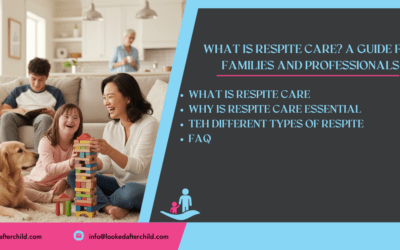
What is Respite Care? A Guide for Families and Professionals
If you are a parent navigating social services involvement or a dedicated professional in the residential childcare sector, you’ve likely heard the term "respite care". But what does it actually mean for the child and the adults supporting them? At Looked After Child, we believe that respite isn't...
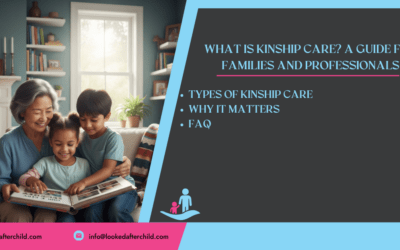
What is Kinship Care? A Guide for Families and Professionals
Kinship care is when a child lives full-time with a relative or friend who is not their parent because their birth parents are unable to care for them. This arrangement—often called ‘family and friends care’—prioritizes the child’s need for stability, cultural identity, and emotional security...
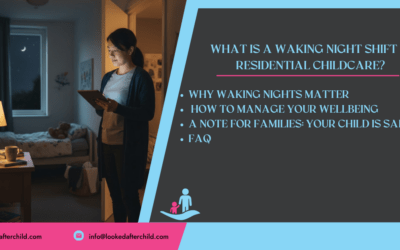
What is a Waking Night Shift in Residential Childcare?
A waking night shift is a period of professional duty where a staff member remains fully awake and alert throughout the night to ensure the safety, wellbeing, and emotional support of children in a residential setting. Unlike a "sleep-in" shift, the staff member does not go to bed; they are...
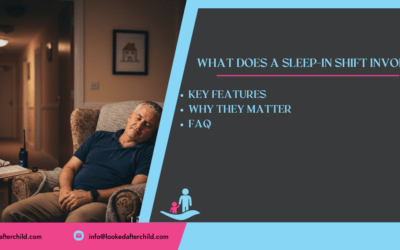
What Does a Sleep-In Shift Involve?
A sleep-in shift typically begins in the evening and ends the following morning. While the staff member is there to rest, they are "on-call" to respond immediately to any incidents, emotional distress, or emergencies that arise during the night. Key Features of a Sleep-In: Presence and Safety: The...
Can You Be Successful After Being in Care? Inspirational Stories for Care-Experienced Youth
As someone who has walked this path, I know that being "in care" can sometimes feel like a label that limits your future. But I’m here to tell you—and show you—that your history is not your destiny. Being in care does not stop you from achieving greatness; in fact, the resilience you develop can...
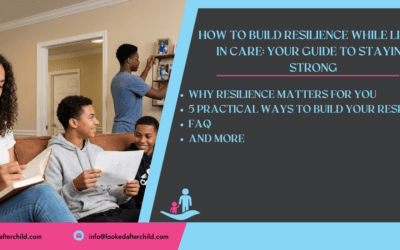
How to Build Resilience While Living in Care: Your Guide to Staying Strong
Growing up in care comes with a unique set of challenges, but it also gives you a chance to build incredible inner strength. Building resilience in care means developing the ability to bounce back from difficult situations, manage stress, and keep moving forward toward your goals. While it might...
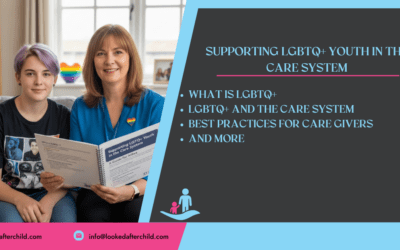
Supporting LGBTQ+ Youth in the Care System
Navigating the care system is a significant challenge, but for young people who identify as LGBTQ+, the experience often includes layers of complexity that require specific, informed support. Creating a truly inclusive environment means moving beyond "tolerance" toward active validation. What is...
Coming Home: A Guide to the Reunification Process
Reunification is the process where a child in care returns to live with their birth family. It is the most common way for children to leave the care system in England, with approximately 27% to 29% of children exiting care returning to their birth parents or relatives. As someone who has navigated...