Social Learning Theory, pioneered by Albert Bandura, establishes that individuals learn behaviors, emotional reactions, and attitudes through the observation and imitation of others. For professionals and carers looking after children, this theory is not just an academic concept; it is the...
Mental Health
Addresses the psychological and emotional health of children in care, including support, resources, and therapeutic interventions.
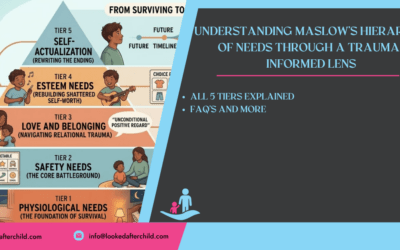
Understanding Maslow’s Hierarchy of Needs Through a Trauma-Informed Lens
Tier 1: Physiological Needs (The Foundation of Survival) In a traditional sense, physiological needs include air, water, food, shelter, sleep, and clothing. In a residential or foster care setting, these are the baseline statutory requirements. However, providing these elements is only the first...
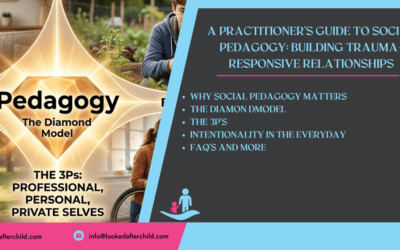
A Practitioner’s Guide to Social Pedagogy: Building Trauma-Responsive Relationships
Social pedagogy is a holistic framework for working with children and young people that integrates education and care into a single professional practice. It focuses on the "head, heart, and hands" to support the development of the whole person through meaningful, everyday relationships. In the...
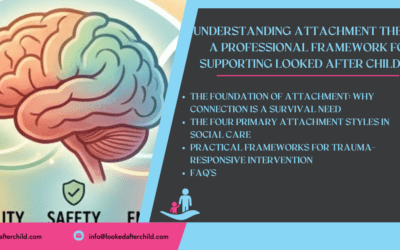
Understanding Attachment Theory: A Professional Framework for Supporting Looked After Children
Attachment theory is the fundamental psychological framework used to understand how the quality of early relationships between a child and their primary caregiver dictates the child's lifelong emotional, social, and cognitive development. For professionals in the social care sector—including...
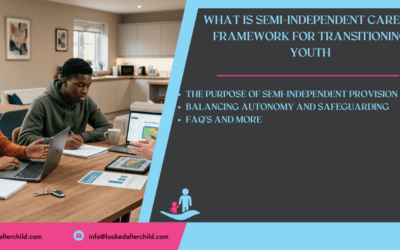
What is Semi-Independent Care? A Framework for Transitioning Youth
```html Semi-independent care is a structured, transitional accommodation provision designed for young people—typically aged 16 to 18—who are preparing to leave the statutory care system. It bridges the critical gap between heavily supported placements, such as foster care or children's homes, and...
Breaking Down Stigmas: Understanding the Realities of Looked After Children
Introduction: What are Looked After Children? Looked After Children, also known as children in care, are individuals who are placed under the care and supervision of the local authority. This can occur for a variety of reasons, including neglect, abuse, or the inability of parents or guardians to...
Understanding Looked After Child (LAC) Health Assessments: A Guide for Professionals and Carers
```html Looked After Child (LAC) Health Assessments are statutory clinical evaluations designed to ensure that children in care receive the same standard of healthcare as their peers, with specific attention to the unique health needs arising from their life experiences. These assessments are a...
The Digital Passport: A Professional Overview
```html As the Director of Looked After Child Limited, I have spent over seven years on the frontline—from NVQ Level 4 leadership to the daily realities of managing a residential home. I have seen the "paper trail" of a child's life fail them repeatedly during transitions. In 2026, we are finally...
Understanding Unauthorised Leave and Absence in Social Care
An unauthorised absence is any instance when a child is not where she/he should be. This includes the foster home, school, an authorised activity venue, etc. The police do not need to be informed of an unauthorised absence unless their wearabouts / reason is unknown or their is an risk of harm at the known location.
Supporting Looked After Children and Young Adults With Technology.
Explore a comprehensive guide on leveraging technology to empower looked after children and young adults, focusing on digital literacy, safeguarding, and fostering connections for positive development.
12 Self-Care Fundamentals for Introverts
Being an introvert can be challenging in day-to-day life, especially if you work and have other commitments outside of the home. Fortunately, there are countless self-care activities and habits for fostering your health and well-being. If you are socially burned out, here are 12 tips from Looked After Child to brighten your day!
Placement Stability Meeting
A Placement Stability Meeting will be called when the placement of a child in foster care, residential or a semi-independence placement is considered to be at risk of disrupting.