

“`html
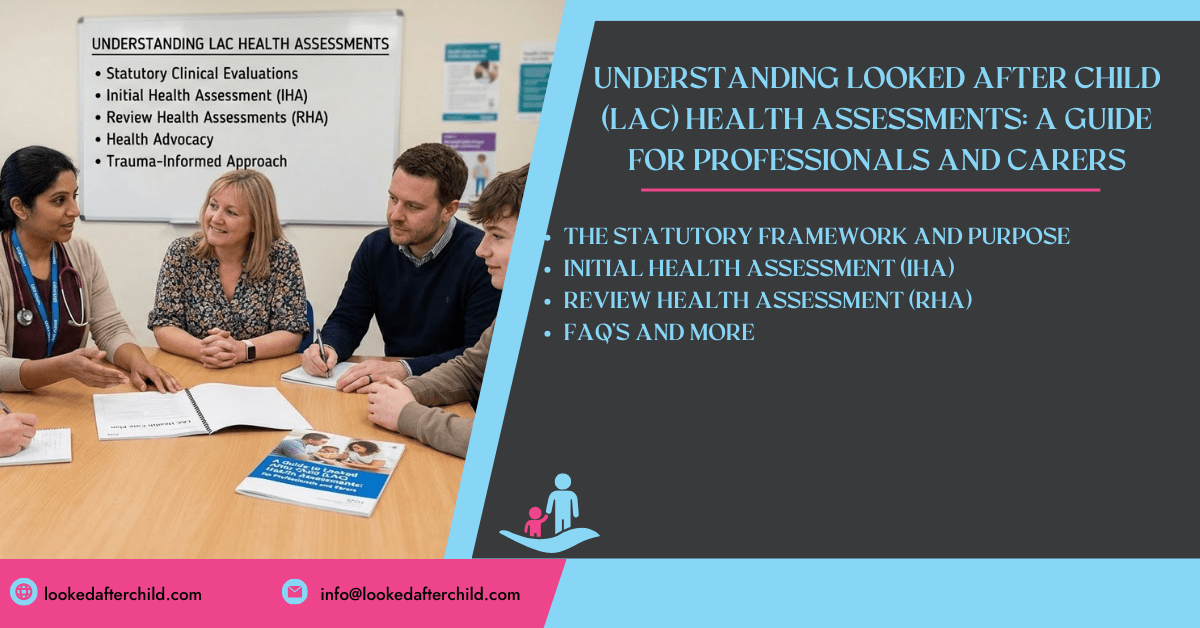
Looked After Child (LAC) Health Assessments are statutory clinical evaluations designed to ensure that children in care receive the same standard of healthcare as their peers, with specific attention to the unique health needs arising from their life experiences. These assessments are a cornerstone of placement stability and are essential for identifying undiagnosed trauma-responsive physical or emotional health needs.
Table Of Contents
The Statutory Framework and Purpose
In the health and social care sector, we recognize that children entering the care system often come with unmet health needs. My seven-plus years of frontline experience, including my time as a House Manager (NVQ Level 4), has consistently shown that a robust Initial Health Assessment (IHA) is the first step in creating a safe, therapeutic environment.
The primary objectives of these assessments include:
- Identifying Undiagnosed Conditions: Screening for physical, developmental, or emotional issues that may have been overlooked.
- Creating a Health Care Plan: Formulating a dynamic document that follows the child throughout their care journey.
- Promoting Continuity: Ensuring that immunizations, dental checks, and specialist appointments are maintained regardless of placement moves.
- Trauma-Informed Oversight: Assessing how past experiences impact current physical health and neurodevelopment.
Types of Health Assessments
1. Initial Health Assessment (IHA)
This must occur shortly after a child enters care. It is conducted by a Registered Medical Practitioner (usually a pediatrician). This assessment sets the baseline for the child’s health and forms the foundation of their ongoing Health Care Plan.
2. Review Health Assessment (RHA)
These are ongoing evaluations conducted at regular intervals to monitor progress and update the Health Care Plan:
- Children under 5: Every six months.
- Children over 5: Annually.
RHAs are typically conducted by a Looked After Children Nurse or a health visitor, focusing on holistic well-being, emotional literacy, and developmental milestones.
The Role of the Care Professional
As leaders in residential and foster care, our role is to act as the child’s health advocate. This involves:
- Preparation: Helping the child understand that the assessment is a “check-up” to keep them healthy, reducing anxiety.
- Information Sharing: Providing the medical professional with accurate observations regarding the child’s sleep patterns, diet, and emotional regulation.
- Implementation: Ensuring the recommendations within the resulting Health Care Plan are integrated into the child’s daily Care Plan and Risk Assessments.
Executive Note: Effective health advocacy is a key “protective factor.” When we prioritize a child’s physical health, we provide the physiological foundation necessary for them to engage in deep therapeutic work.
Frequently Asked Questions (FAQ)
Who is responsible for consenting to a LAC Health Assessment?
Consent usually rests with the person(s) holding Parental Responsibility (PR). This could be the birth parents, the Local Authority (under a Care Order), or both. If a child is “Gillick Competent,” they may be able to provide their own consent.
What happens if a child refuses to attend their health assessment?
Refusal should be handled with a trauma-responsive approach. We explore the “why” behind the refusal—is it fear of doctors, or a feeling of lack of control? Professionals should document the refusal, discuss the benefits with the child, and attempt to offer the assessment in a more comfortable environment or with a known professional.
How does the Health Care Plan impact the PEP (Personal Education Plan)?
Health and education are intrinsically linked. If a Health Assessment identifies a need (such as a hearing impairment or ADHD), this must be shared with the Designated Teacher to ensure the child receives the correct support in school.
Are dental and optician appointments included in these assessments?
While the LAC Health Assessment is a holistic review, it does not replace regular dental or eyesight checks. However, the assessing doctor or nurse will check if these appointments are up to date and will mandate them in the Health Care Plan if they are missing.
“`
0 Comments