

“`html
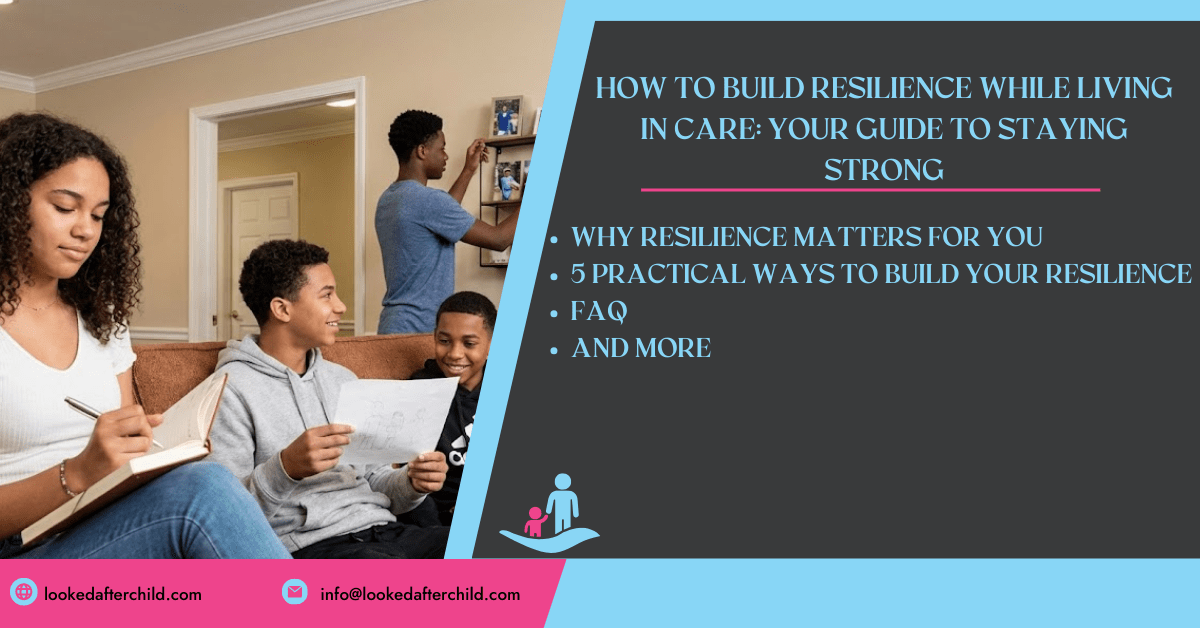
Growing up in care comes with a unique set of challenges, but it also gives you a chance to build incredible inner strength. Building resilience in care means developing the ability to bounce back from difficult situations, manage stress, and keep moving forward toward your goals. While it might feel tough right now, resilience isn’t something you’re just born with—it is a skill you can grow and strengthen every single day.
Table Of Contents
Why Resilience Matters for You
Resilience isn’t about “just getting on with it” or pretending things aren’t hard. It’s about having the tools to handle the “wobbles” life throws at you. For those of us with lived experience in the care system, resilience is our superpower. It helps you:
- Navigate transitions, like moving to a new placement or changing schools.
- Manage big emotions when things feel overwhelming or unfair.
- Focus on your future, ensuring your past doesn’t define where you’re going.
5 Practical Ways to Build Your Resilience
1. Build Your “Village”
No one is an island. Resilience is easier to build when you have people who “get it.”
- Identify your “anchor” people: This could be a foster carer, a favorite teacher, your social worker, or a mentor.
- Stay connected: Keep in touch with siblings or friends who support you and make you feel safe.
2. Master Your Emotions
Understanding how you feel is the first step to staying in control.
- Try journaling: Writing down your thoughts can help “vent” the pressure.
- Practice “The 5-Second Pause”: When you’re angry or upset, count to five before reacting. This small gap gives your brain a chance to catch up with your feelings.
3. Focus on What You Can Control
The care system can sometimes feel like others are making all the choices for you. To build resilience, focus on your own “controllables.”
- Your Hobbies: Whether it’s football, drawing, or gaming, find something you love and stick with it.
- Your Space: Even if it’s just one shelf, make your space feel like “you.”
4. Celebrate the Small Wins
Resilience grows when you recognize your own progress.
- Set “Micro-Goals”: Instead of “doing well in school,” try “finishing my homework on Tuesday.”
- Track your growth: Look back at how you handled a hard day six months ago versus how you handle one now. You’ll be surprised at how much stronger you’ve become.
5. Ask for Help When You Need It
The strongest people are the ones who know when they can’t do it alone.
- Speak up: If you’re struggling, tell a trusted adult. It’s not “whining”—it’s advocate-level communication.
Frequently Asked Questions (FAQ)
Does being resilient mean I shouldn’t feel sad? No. Resilience is about feeling those emotions but finding a way to move through them rather than getting stuck in them.
How do I start building resilience today? Start small. Pick one “anchor” person to talk to today or write down one thing you are proud of accomplishing this week.
Who can I talk to if I feel like I’m not “bouncing back”? You can always talk to your Social Worker, an IRO (Independent Reviewing Officer), or a teacher. If you want to speak to someone outside of your immediate circle, organizations like Childline are there to listen.
“`A Note from Li Jean-Luc: I’ve been where you are. There were days I felt like the world was pushing against me, but every time I chose to keep going, I was adding a brick to my foundation of resilience. You are stronger than you realize.

0 Comments