Trauma

The psychological and emotional impact of distressing experiences on children.

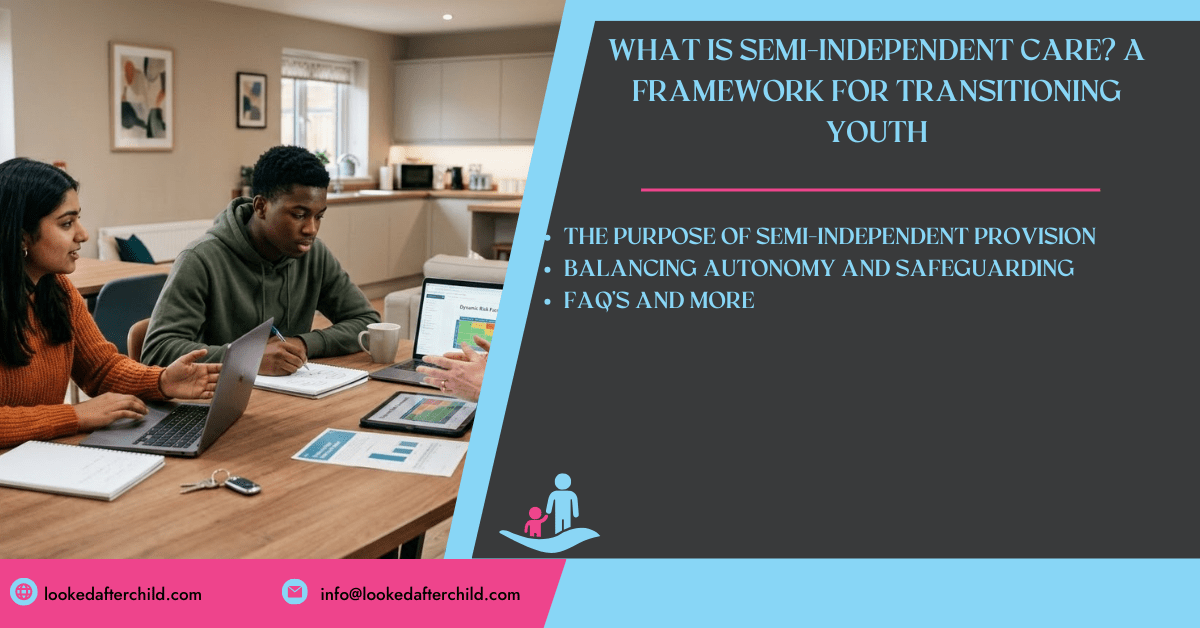
Two young adults, one female and one male, are shown collaborating with laptops and notebooks, symbolizing learning and support. The image prominently features the title 'What is Semi-Independent Care? A Framework for Transitioning Youth,' alongside bullet points detailing its purpose, the balance between autonomy and safeguarding, and FAQs, providing a visual and textual resource for professionals in child care.

What is Semi-Independent Care? A Framework for Transitioning Youth

```html Semi-independent care is a structured, transitional accommodation provision designed for young people—typically aged 16 to 18—who are preparing to leave the statutory care system. It bridges the critical gap between heavily supported placements, such as foster care or children's homes, and...
read more...
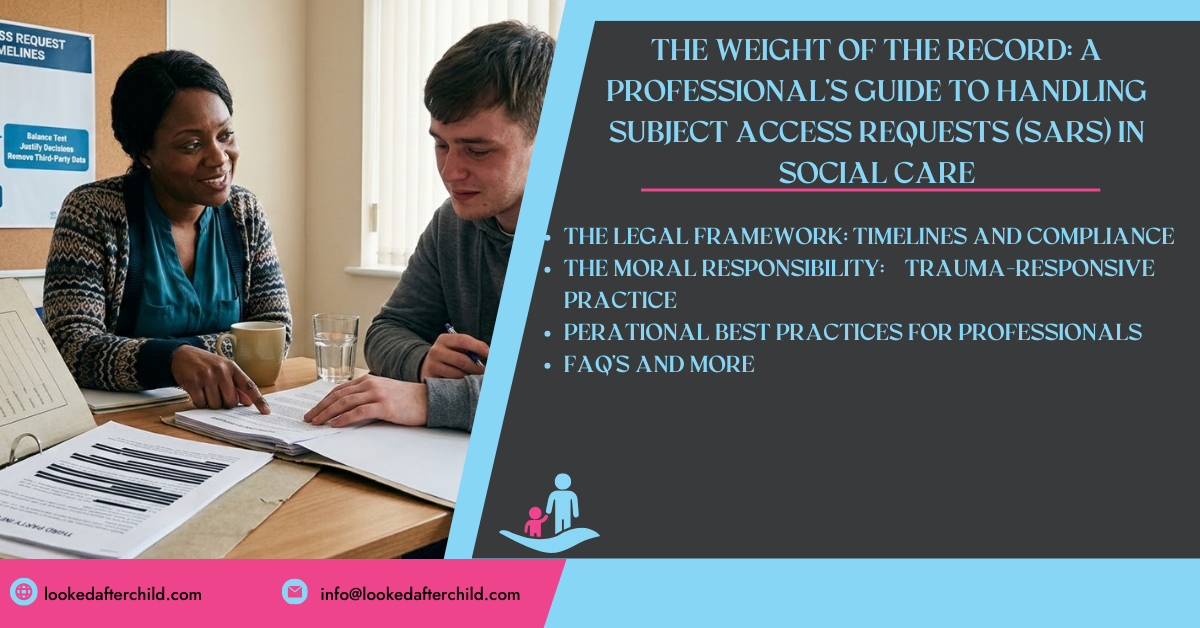
Social care professionals review documents, illustrating a guide on handling Subject Access Requests (SARs) in social care, covering legal frameworks, trauma-responsive practice, and operational best practices for children in care.

The Weight of the Record: A Professional’s Guide to Handling Subject Access Requests (SARs) in Social Care

```html A Subject Access Request (SAR) or Data Access Request (DAR) is a legally binding request under the UK GDPR and Data Protection Act 2018 that allows individuals, including looked after children and care leavers, to obtain copies of their personal data. For social care professionals,...

read more...
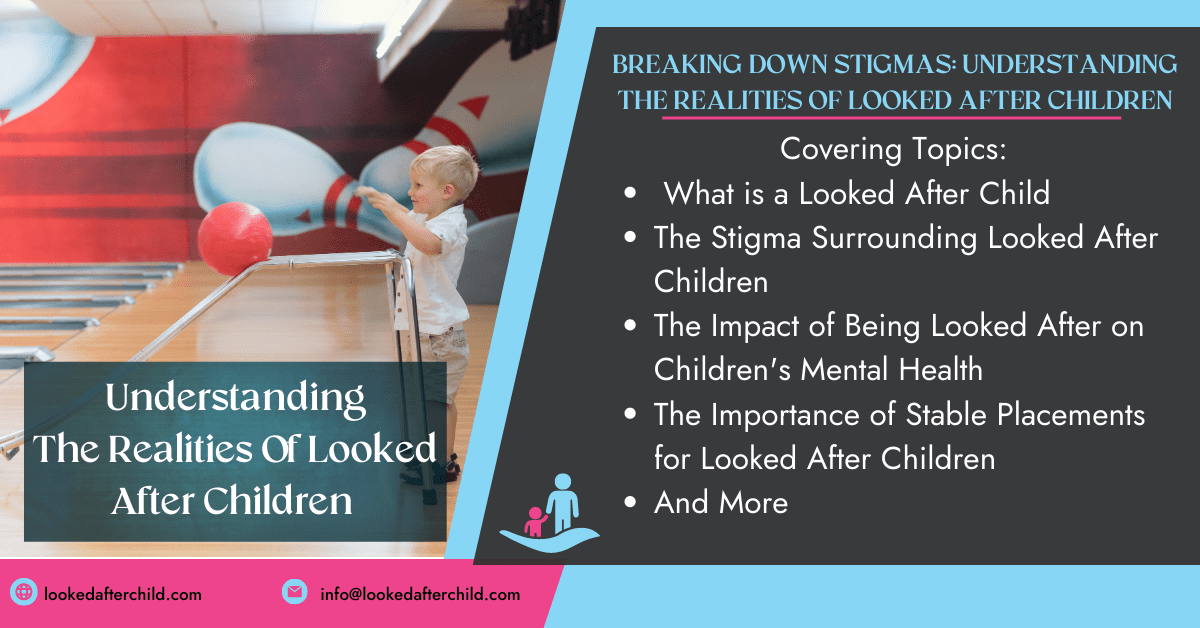
Educational graphic titled 'Breaking Down Stigmas: Understanding the Realities of Looked After Children'. It features a young child joyfully bowling, symbolizing childhood and development, alongside a detailed list of topics: What is a Looked After Child, The Stigma Surrounding Looked After Children, The Impact of Being Looked After on Children's Mental Health, and The Importance of Stable Placements for Looked After Children. This resource provides essential trauma-informed guidance for professionals, foster parents, and social workers supporting children in care.

Breaking Down Stigmas: Understanding the Realities of Looked After Children

Introduction: What are Looked After Children? Looked After Children, also known as children in care, are individuals who are placed under the care and supervision of the local authority. This can occur for a variety of reasons, including neglect, abuse, or the inability of parents or guardians to...

read more...
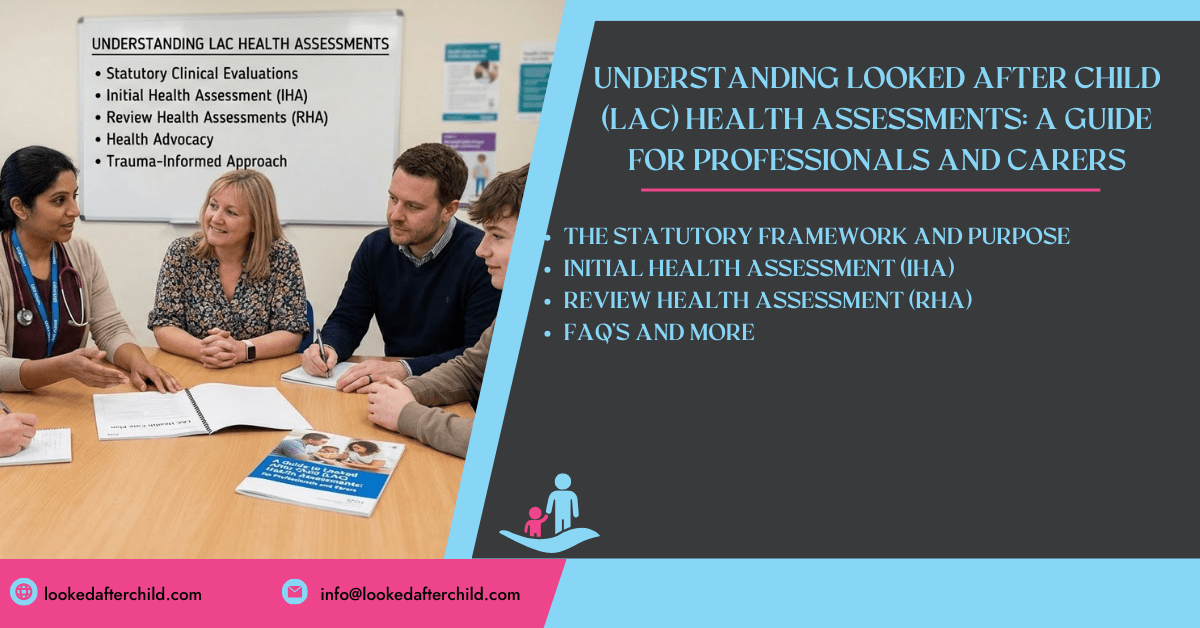
Healthcare professionals and carers discuss Looked After Child (LAC) health assessments, with a guide booklet titled 'A Guide to Looked After Child (LAC) Health Assessments: For Professionals and Carers' on the table. The accompanying text highlights key topics like Statutory Clinical Evaluations, Initial Health Assessments (IHA), Review Health Assessments (RHA), Health Advocacy, and a Trauma-Informed Approach, emphasizing the statutory framework and FAQs.

Understanding Looked After Child (LAC) Health Assessments: A Guide for Professionals and Carers

```html Looked After Child (LAC) Health Assessments are statutory clinical evaluations designed to ensure that children in care receive the same standard of healthcare as their peers, with specific attention to the unique health needs arising from their life experiences. These assessments are a...

read more...
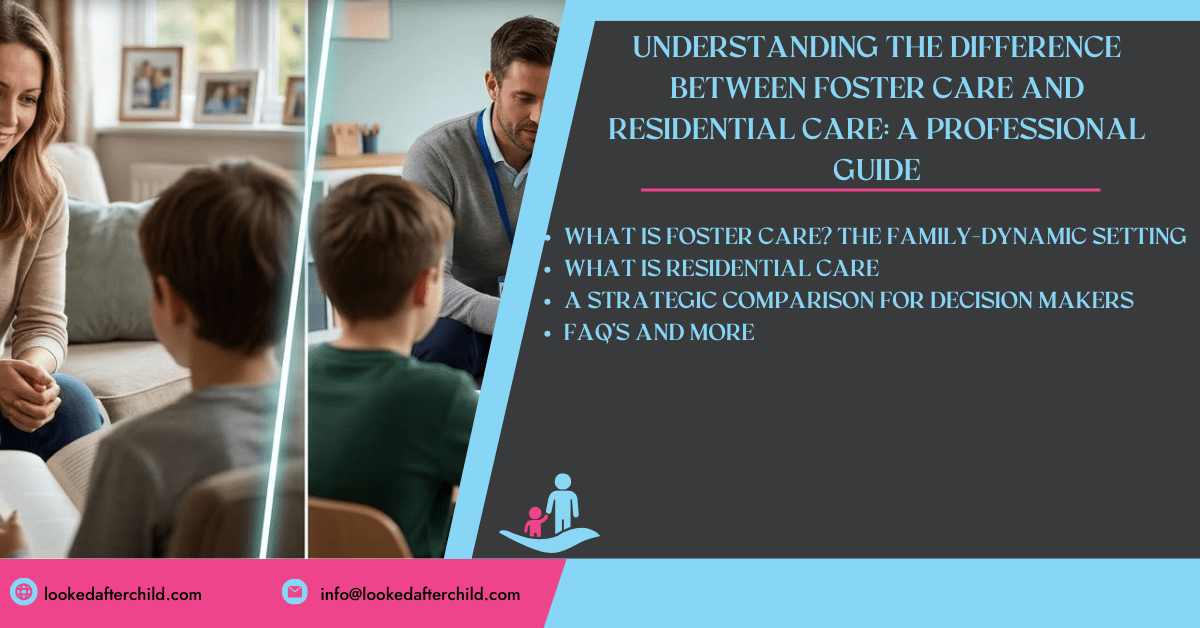
A split image illustrating the difference between foster care and residential care. On the left, a woman smiles at a child in a warm home setting, representing foster care. On the right, a professional man with a lanyard interacts with a child in a more formal environment, representing residential care. Overlay text reads: 'Understanding the Difference Between Foster Care and Residential Care: A Professional Guide,' with bullet points detailing 'What is Foster Care? The Family-Dynamic Setting,' 'What is Residential Care,' 'A Strategic Comparison for Decision Makers,' and 'FAQ's and More.' The image also includes the Looked After Child logo and contact information.

Understanding the Difference Between Foster Care and Residential Care: A Professional Guide

```html The primary difference between foster care and residential care lies in the environmental structure and the framework of therapeutic support. Foster care places a child within a family home environment with approved foster carers, offering a highly personalized, family-dynamic setting....

read more...
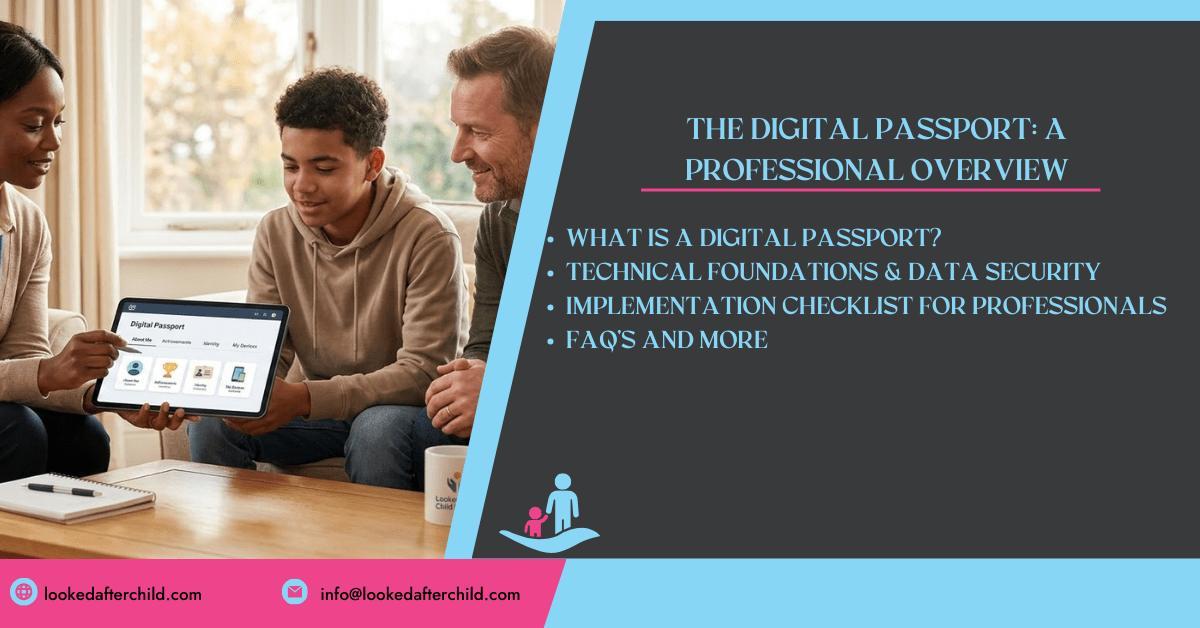
An adult woman, a teenage boy, and an adult man interact with a tablet displaying a 'Digital Passport' interface, while an overlay promotes 'THE DIGITAL PASSPORT: A PROFESSIONAL OVERVIEW,' covering data security and implementation for child care professionals.

The Digital Passport: A Professional Overview

```html As the Director of Looked After Child Limited, I have spent over seven years on the frontline—from NVQ Level 4 leadership to the daily realities of managing a residential home . I have seen the "paper trail" of a child's life fail them repeatedly during transitions . In 2026, we are...

read more...
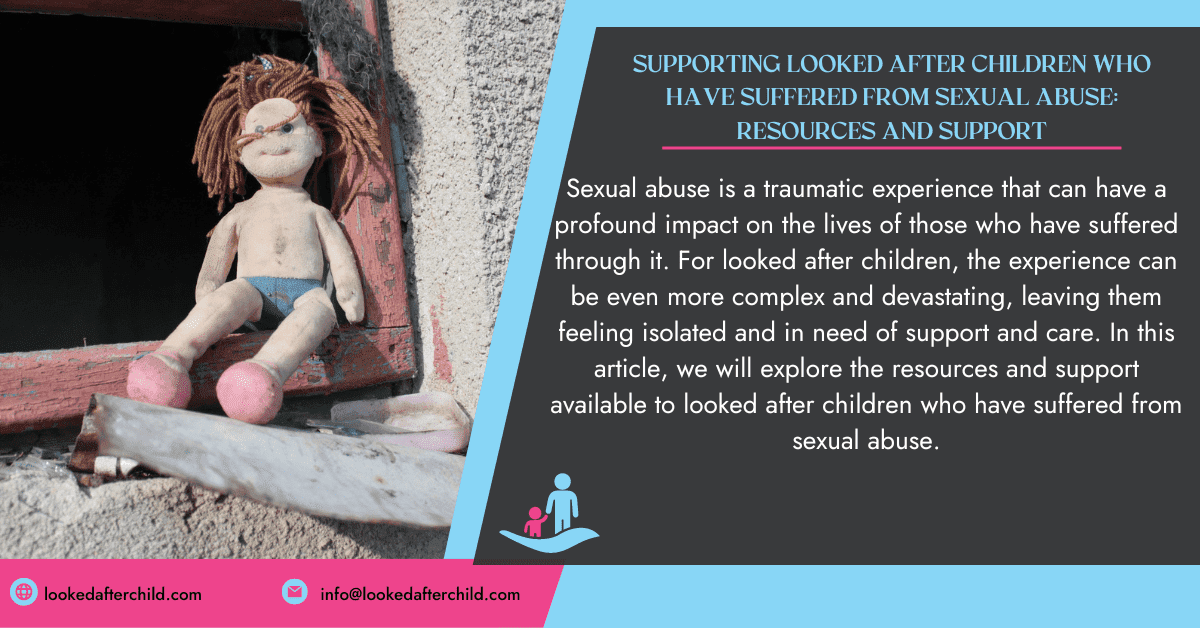
A worn, handmade doll with red yarn hair and blue underwear sits on a dilapidated wooden window frame, symbolizing the vulnerability and potential trauma experienced by looked after children.

Supporting Looked After Children who have suffered from Sexual Abuse: Resources and Support

Sexual abuse is a traumatic experience that can have a profound impact on the lives of those who have suffered through it. For looked after children, the experience can be even more complex and devastating, leaving them feeling isolated and in need of support and care. In this article, we will...

read more...
Icon depicting an adult and child holding hands, cradled by a protective hand, symbolizing the trauma-informed support and care provided for children in care by Looked After Child Limited.

Make a Lasting Difference


Every child deserves an environment where they feel safe, heard, and valued. Sign up to the Looked After Child Limited newsletter to learn more about our fostering and residential care communities, receive guidance on starting your career in care, and discover how you can support positive outcomes for vulnerable young people.

You have Successfully Subscribed!