This comprehensive guide navigates Ofsted’s evolving role in 2026, offering essential insights for families interpreting reports and professionals aiming for compliance and excellence in education and children’s social care.

Social Work
The application of social work principles and methods in practice, including safeguarding and support for vulnerable individuals.
What is a Personal Advisor (PA) in Social Care?
```html A Personal Advisor (PA) is a dedicated professional who provides practical and emotional support to young people as they transition from being "looked after" to living independently. Acting as a bridge between the care system and adulthood, a PA helps care leavers navigate everything from...
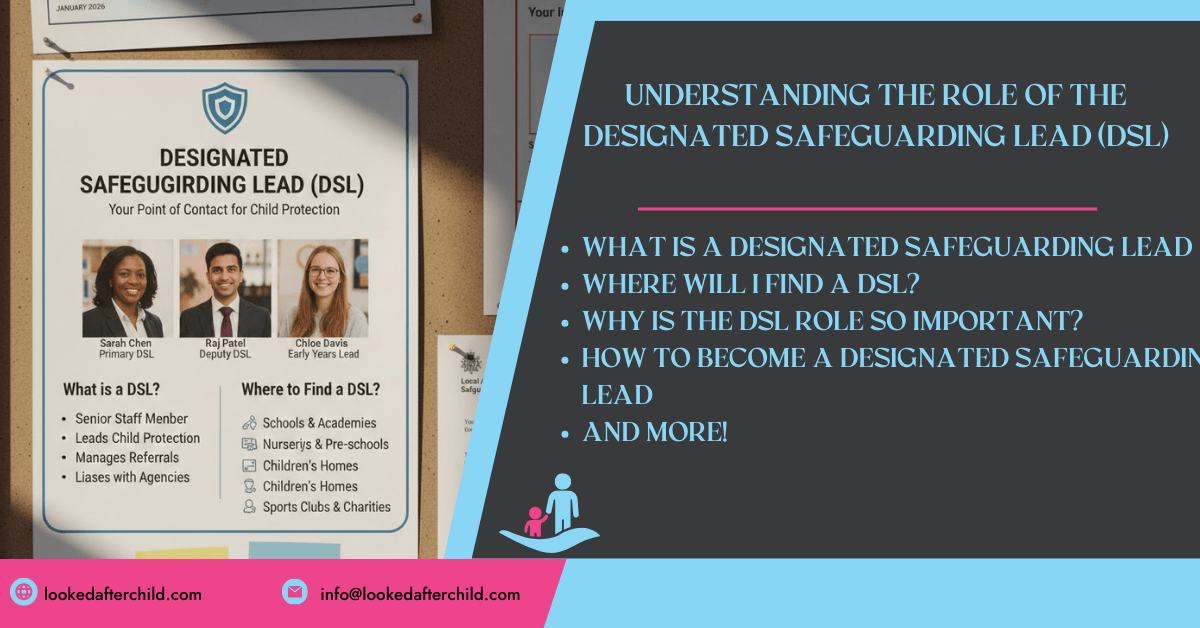
Understanding the Role of the Designated Safeguarding Lead (DSL)
In the world of social care and education, the safety of children is not just a priority—it’s the foundation of everything we do. As someone who has navigated the complexities of the care system both professionally and through lived experience, I know that having a clear point of contact for...
Understanding the Disclosure and Barring Service (DBS): A Guide for the Care Community
In the world of social care, nothing is more important than the safety of our children and vulnerable adults. Whether you are a professional entering residential childcare or a family member trying to understand the safeguards in place, the Disclosure and Barring Service (DBS) is a cornerstone of...
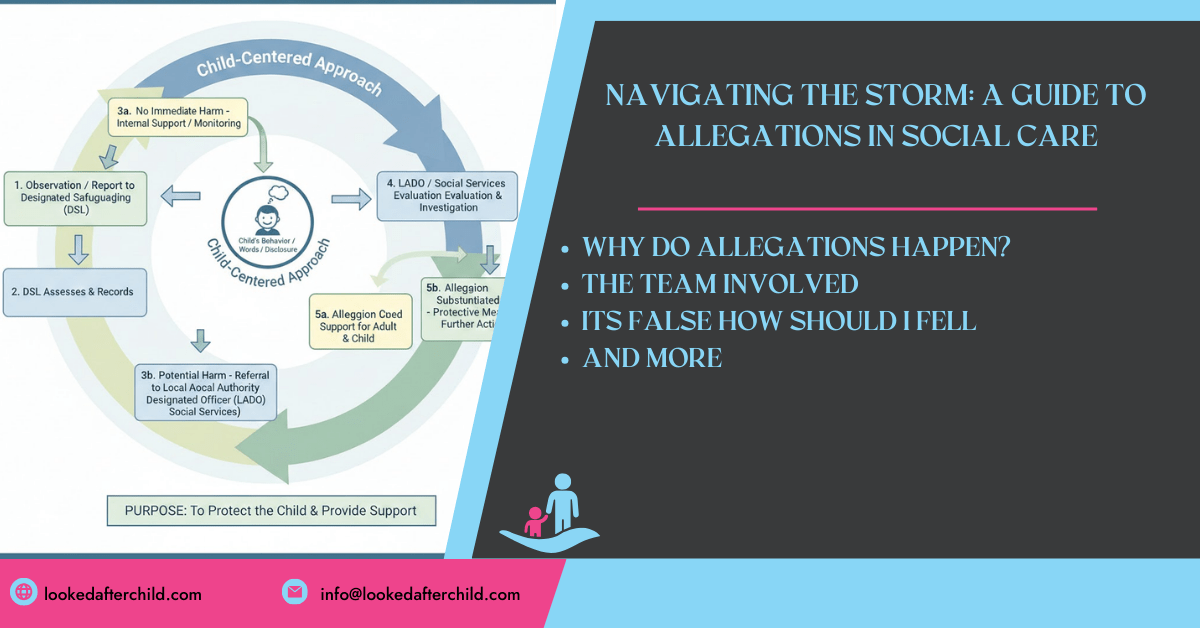
Navigating the Storm: A Guide to Allegations in Social Care
```html As someone who has walked the halls of residential care and sat on both sides of the table, I know that the word "allegation" is perhaps the most frightening term in a professional’s vocabulary. It’s a moment where time seems to stop, and your commitment to the children you care for feels...
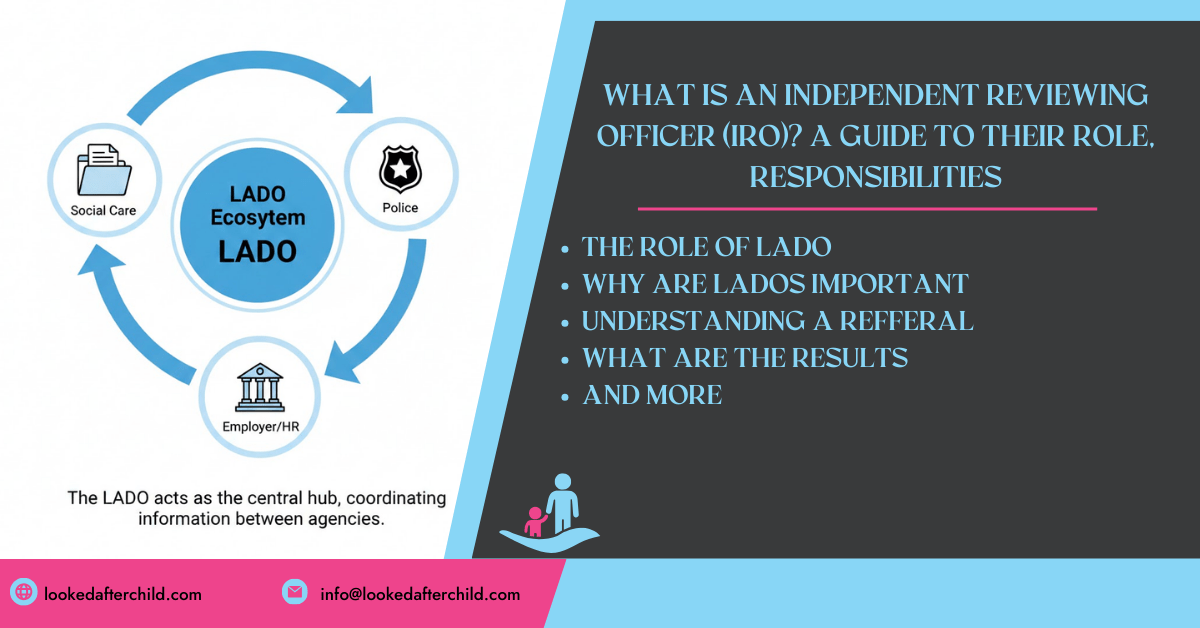
What is a LADO? A Guide for Families and Professionals
A Local Area Designated Officer (LADO) is a statutory role within the UK children's services. Their primary responsibility is to manage and oversee allegations made against adults who work with children (whether in a paid or voluntary capacity). The LADO ensures that all allegations are handled...
The Real Panel: Why Care-Experienced Children Must Interview Prospective Foster Carers
In the social care sector, we talk a lot about "child-centered practice." But there is a massive difference between talking about children and letting them lead the conversation. Here is why this step isn't just a "nice to have"—it is a fundamental necessity for modern fostering, and why I, as a...
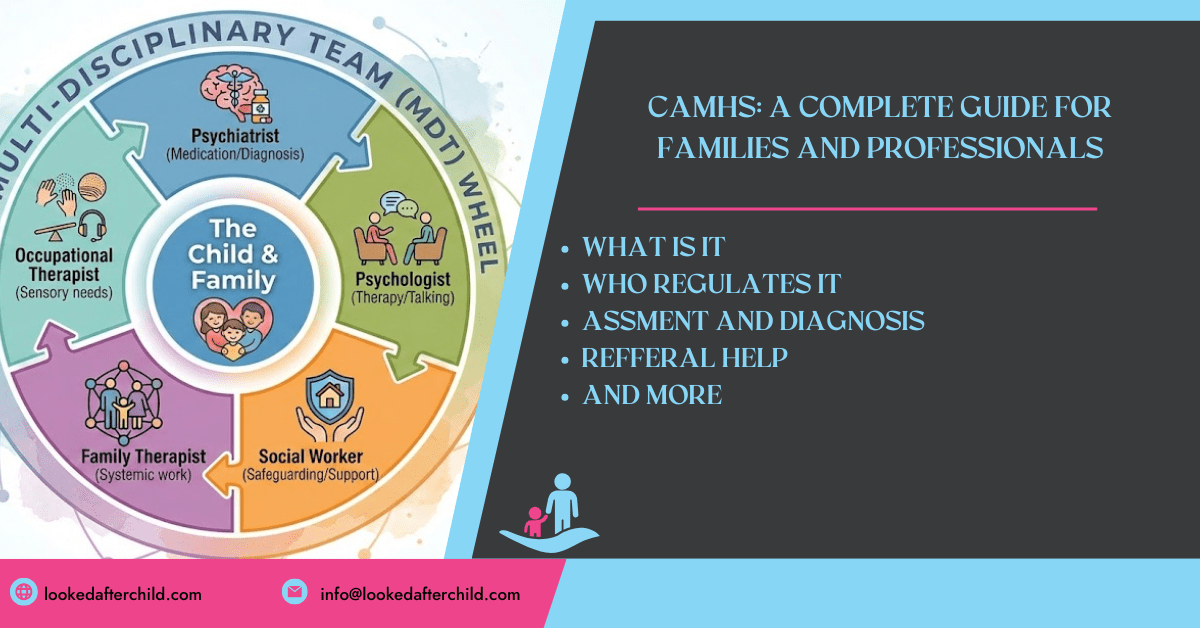
CAMHS: A Complete Guide for Families and Professionals
A comprehensive guide to Child and Adolescent Mental Health Services (CAMHS) for families and professionals, covering referrals, services, and support for young people’s mental health.
What is an Independent Reviewing Officer (IRO)? A Guide to Their Role, Responsibilities, and How to Become One
What is an Independent Reviewing Officer (IRO)? An Independent Reviewing Officer (IRO) is a qualified and experienced social worker responsible for chairing the statutory reviews of a looked-after child’s care plan. Their primary legal duty is to ensure that the local authority is meeting the...
What Is an Interim Care Order? Section 38 of the Children Act 1989
If you are reading this, you might have just heard the term "Interim Care Order" in a Family Court, a solicitor's office, or a meeting with social services. I know the feeling—the sudden drop in your stomach when legal terms start flying around. It feels overwhelming. But let’s pause and take a...
Personal Education Plans – PEP: A Guide for Families & Professionals
If you are caring for a looked-after child, or you are a professional new to the sector, the acronyms can feel endless. But the Personal Education Plan (PEP) is one of the most vital tools we have. In my years of experience, both living through the care system and working within it, I’ve seen PEP...
Understanding Unauthorised Leave and Absence in Social Care
An unauthorised absence is any instance when a child is not where she/he should be. This includes the foster home, school, an authorised activity venue, etc. The police do not need to be informed of an unauthorised absence unless their wearabouts / reason is unknown or their is an risk of harm at the known location.