Discover a comprehensive framework for implementing Trauma-Informed Care Pathways, designed to transform service delivery, foster healing, and prevent re-traumatization across social care and mental health sectors.
Professional Standards
Information and guidance related to professional roles, qualifications, and ethical conduct within the care and education sectors.
How to Make a Complaint: A Step-by-Step Guide for Children
This step-by-step guide empowers children in care to confidently make a complaint, explaining why their voice matters and detailing the process from identifying a concern to seeking support, ensuring their rights are heard and acted upon.
Achieving Ofsted Outstanding: The Definitive Guide to Evidence Kits in Social Care
Discover the definitive guide to creating comprehensive ‘Ofsted Outstanding Evidence Kits’ that showcase exceptional care, robust safeguarding, and positive outcomes for children and young people in social care settings.
Training Caregivers for Affirming LGBTQ+ Youth Support
Discover why specialized training for caregivers is essential to provide affirming support for LGBTQ+ youth in the care system, covering identity, challenges, inclusive practices, and legal responsibilities to foster well-being.
Comprehensive Safeguarding & Risk Management in Social Care: A Professional’s Handbook
A definitive guide for social care professionals, outlining comprehensive strategies and legal frameworks for effective safeguarding and proactive risk management in diverse care settings.
A Comprehensive Guide to the Rights of Children in Care: Safeguarding Their Future
Explore a comprehensive guide to the rights of children in care, covering legal frameworks, essential protections, and the roles of professionals in safeguarding their future and promoting well-being.
Legal Framework and Orders for Children in Care
This article explores the legal framework and various court orders that govern children in care, focusing on legislation like the Children Act 1989 and the responsibilities of local authorities as corporate parents.
Mastering Cultural Competency & Leveraging Heritage Kits in Social Care
Explore how cultural competency and the innovative use of heritage kits can transform social care by affirming identity and improving outcomes for diverse populations, particularly children in care.
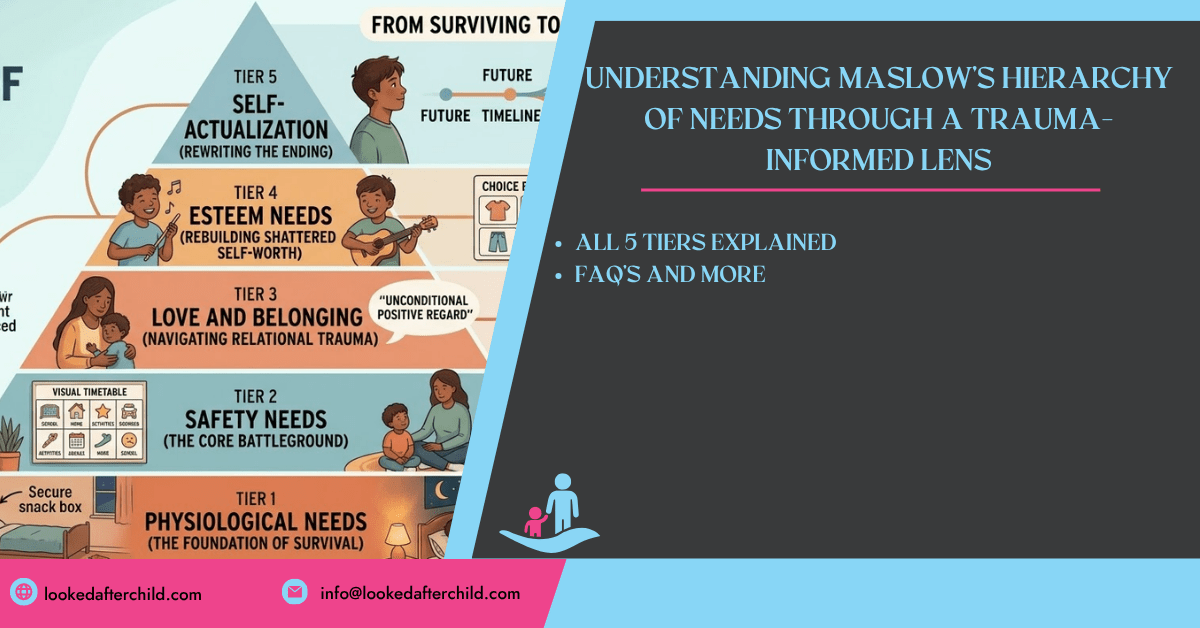
Understanding Maslow’s Hierarchy of Needs Through a Trauma-Informed Lens
Tier 1: Physiological Needs (The Foundation of Survival) In a traditional sense, physiological needs include air, water, food, shelter, sleep, and clothing. In a residential or foster care setting, these are the baseline statutory requirements. However, providing these elements is only the first...
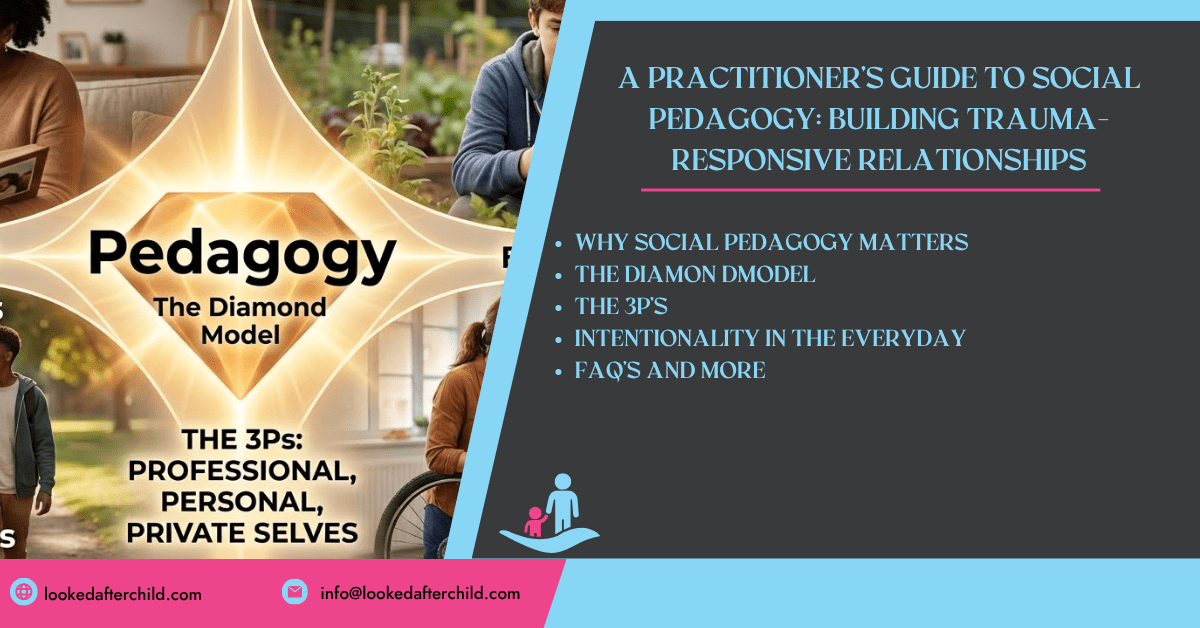
A Practitioner’s Guide to Social Pedagogy: Building Trauma-Responsive Relationships
Social pedagogy is a holistic framework for working with children and young people that integrates education and care into a single professional practice . It focuses on the "head, heart, and hands" to support the development of the whole person through meaningful, everyday relationships . In the...
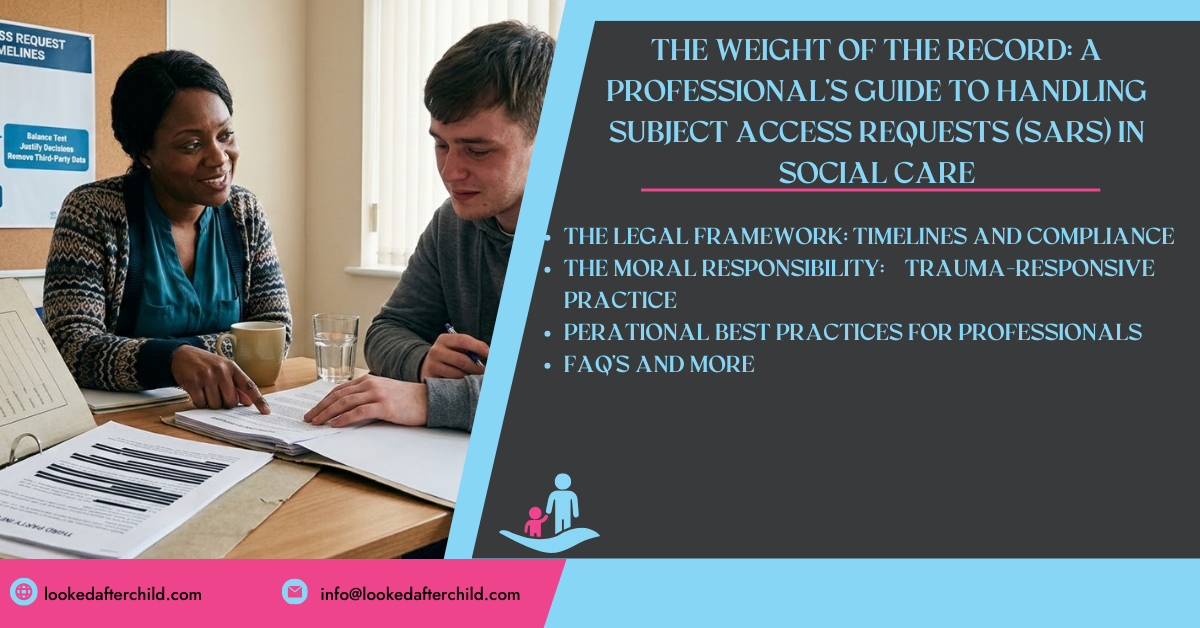
The Weight of the Record: A Professional’s Guide to Handling Subject Access Requests (SARs) in Social Care
```html A Subject Access Request (SAR) or Data Access Request (DAR) is a legally binding request under the UK GDPR and Data Protection Act 2018 that allows individuals, including looked after children and care leavers, to obtain copies of their personal data. For social care professionals,...
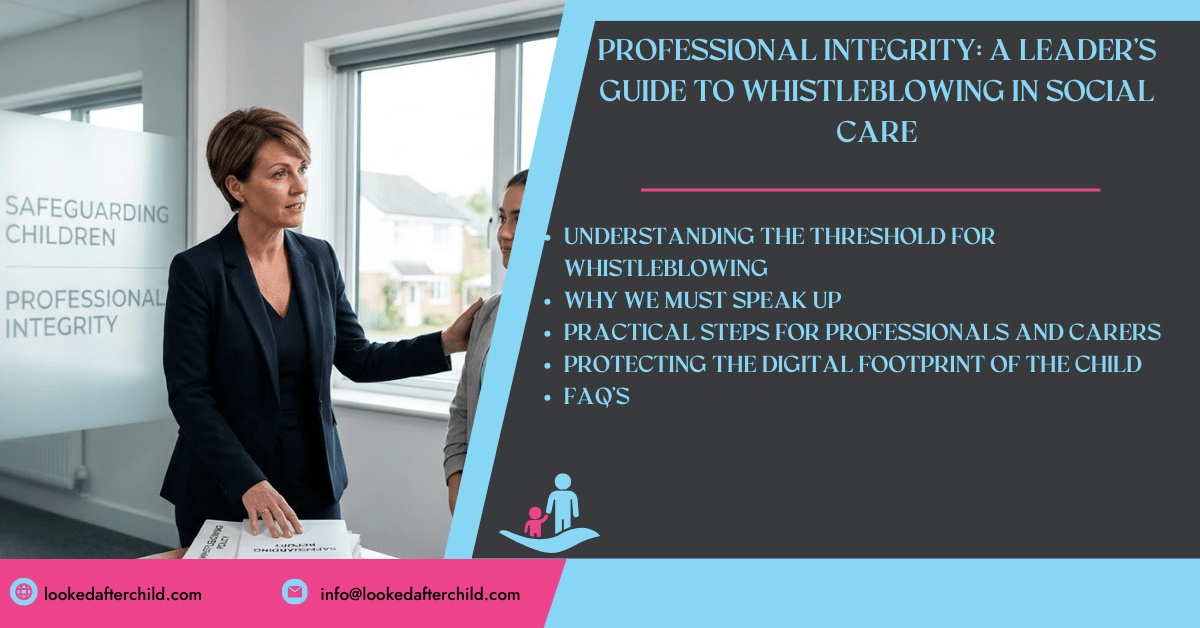
Professional Integrity: A Leader’s Guide to Whistleblowing in Social Care
Whistleblowing is the professional and ethical obligation to report serious concerns regarding wrongdoing, risk, or malpractice within a care setting to protect the safety and well-being of children. It is a vital safeguarding mechanism, protected under the Public Interest Disclosure Act 1998,...