Explore how cultural competency and the innovative use of heritage kits can transform social care by affirming identity and improving outcomes for diverse populations, particularly children in care.
Professional Standards
Information and guidance related to professional roles, qualifications, and ethical conduct within the care and education sectors.
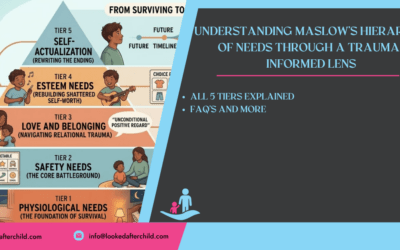
Understanding Maslow’s Hierarchy of Needs Through a Trauma-Informed Lens
Tier 1: Physiological Needs (The Foundation of Survival) In a traditional sense, physiological needs include air, water, food, shelter, sleep, and clothing. In a residential or foster care setting, these are the baseline statutory requirements. However, providing these elements is only the first...
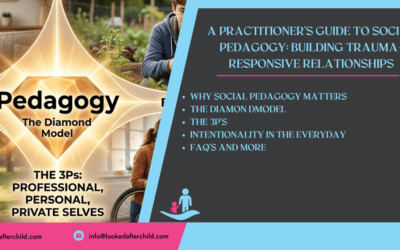
A Practitioner’s Guide to Social Pedagogy: Building Trauma-Responsive Relationships
Social pedagogy is a holistic framework for working with children and young people that integrates education and care into a single professional practice. It focuses on the "head, heart, and hands" to support the development of the whole person through meaningful, everyday relationships. In the...
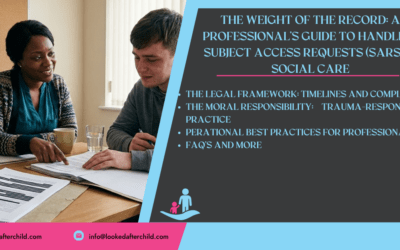
The Weight of the Record: A Professional’s Guide to Handling Subject Access Requests (SARs) in Social Care
```html A Subject Access Request (SAR) or Data Access Request (DAR) is a legally binding request under the UK GDPR and Data Protection Act 2018 that allows individuals, including looked after children and care leavers, to obtain copies of their personal data. For social care professionals,...
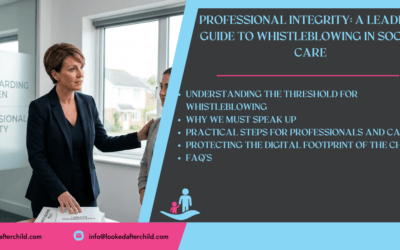
Professional Integrity: A Leader’s Guide to Whistleblowing in Social Care
Whistleblowing is the professional and ethical obligation to report serious concerns regarding wrongdoing, risk, or malpractice within a care setting to protect the safety and well-being of children. It is a vital safeguarding mechanism, protected under the Public Interest Disclosure Act 1998,...
Understanding Social Work Assessments: Why Professionals May Consult Your Community
Social services departments have a statutory duty to conduct thorough assessments, which often includes speaking with neighbours to gain a holistic view of a child’s living environment. This practice is not an attempt to intrude on your private life, but a professional requirement to triangulate...
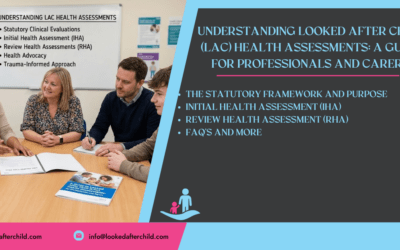
Understanding Looked After Child (LAC) Health Assessments: A Guide for Professionals and Carers
```html Looked After Child (LAC) Health Assessments are statutory clinical evaluations designed to ensure that children in care receive the same standard of healthcare as their peers, with specific attention to the unique health needs arising from their life experiences. These assessments are a...
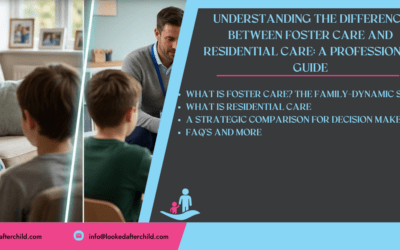
Understanding the Difference Between Foster Care and Residential Care: A Professional Guide
```html The primary difference between foster care and residential care lies in the environmental structure and the framework of therapeutic support. Foster care places a child within a family home environment with approved foster carers, offering a highly personalized, family-dynamic setting....
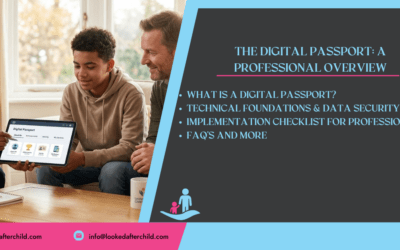
The Digital Passport: A Professional Overview
```html As the Director of Looked After Child Limited, I have spent over seven years on the frontline—from NVQ Level 4 leadership to the daily realities of managing a residential home. I have seen the "paper trail" of a child's life fail them repeatedly during transitions. In 2026, we are finally...
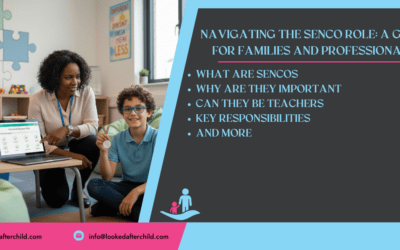
Navigating the SENCO Role: A Guide for Families and Professionals
In my years working within the care system and sharing life stories, I’ve seen how pivotal one person can be in changing a child's trajectory. When a child has additional needs, that person is often the Special Educational Needs Coordinator, or SENCO. Understanding this role is vital whether you...
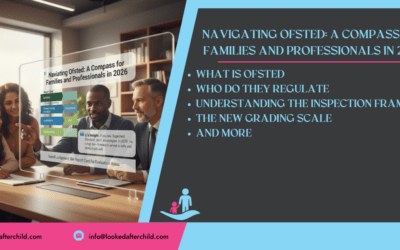
Navigating Ofsted: A Compass for Families and Professionals in 2026
This comprehensive guide navigates Ofsted’s evolving role in 2026, offering essential insights for families interpreting reports and professionals aiming for compliance and excellence in education and children’s social care.
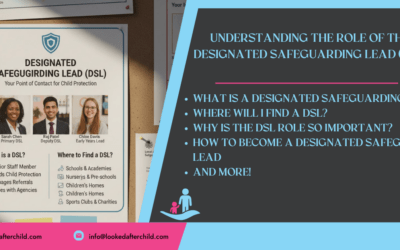
Understanding the Role of the Designated Safeguarding Lead (DSL)
In the world of social care and education, the safety of children is not just a priority—it’s the foundation of everything we do. As someone who has navigated the complexities of the care system both professionally and through lived experience, I know that having a clear point of contact for...