In the social care sector, we talk a lot about "child-centered practice." But there is a massive difference between talking about children and letting them lead the conversation. Here is why this step isn't just a "nice to have"—it is a fundamental necessity for modern fostering, and why I, as a...
Placement Stability
Strategies and interventions aimed at maintaining consistent and secure care placements for children.
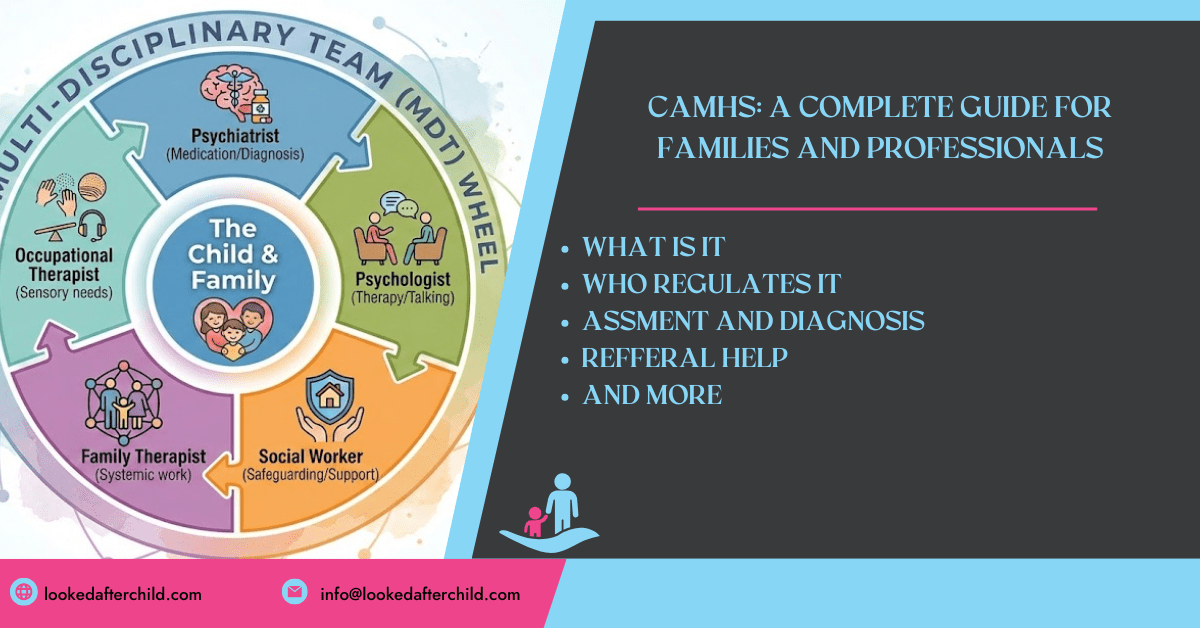
CAMHS: A Complete Guide for Families and Professionals
A comprehensive guide to Child and Adolescent Mental Health Services (CAMHS) for families and professionals, covering referrals, services, and support for young people’s mental health.
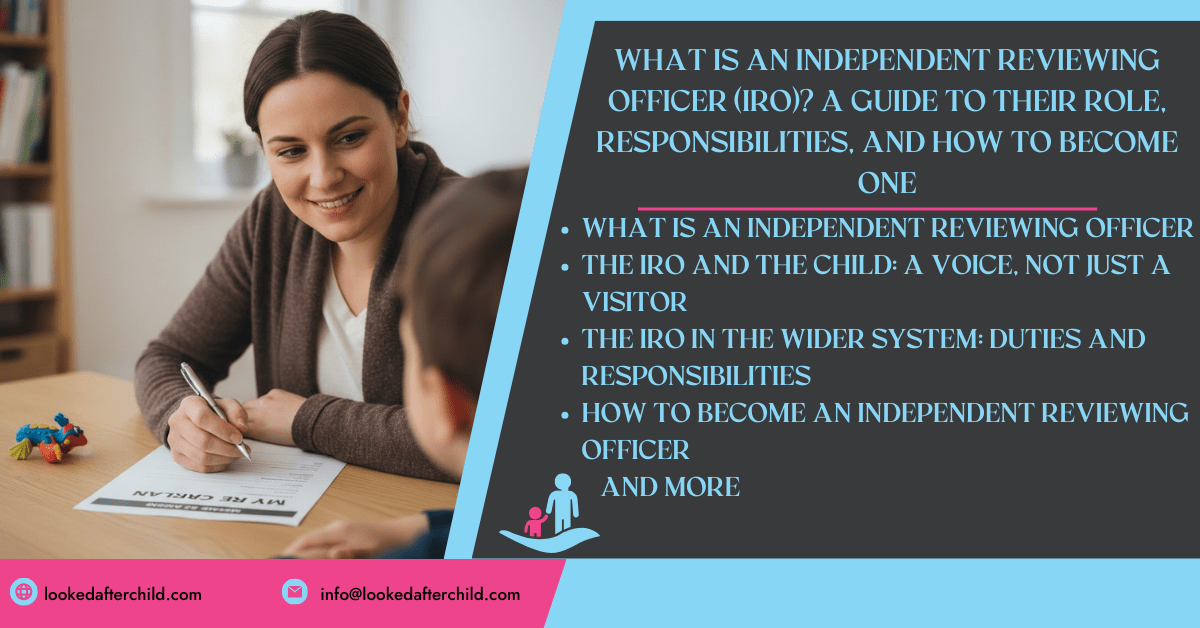
What is an Independent Reviewing Officer (IRO)? A Guide to Their Role, Responsibilities, and How to Become One
What is an Independent Reviewing Officer (IRO)? An Independent Reviewing Officer (IRO) is a qualified and experienced social worker responsible for chairing the statutory reviews of a looked-after child’s care plan. Their primary legal duty is to ensure that the local authority is meeting the...
What Is an Interim Care Order? Section 38 of the Children Act 1989
If you are reading this, you might have just heard the term "Interim Care Order" in a Family Court, a solicitor's office, or a meeting with social services. I know the feeling—the sudden drop in your stomach when legal terms start flying around. It feels overwhelming. But let’s pause and take a...
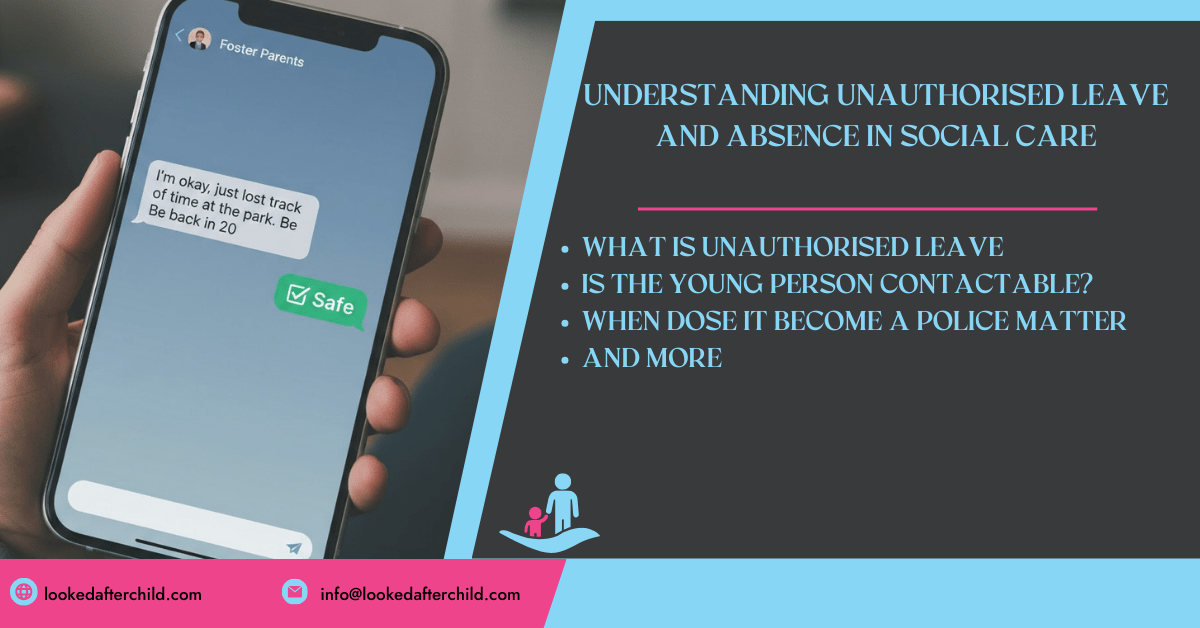
Understanding Unauthorised Leave and Absence in Social Care
An unauthorised absence is any instance when a child is not where she/he should be. This includes the foster home, school, an authorised activity venue, etc. The police do not need to be informed of an unauthorised absence unless their wearabouts / reason is unknown or their is an risk of harm at the known location.
Achieving Excellence: A Strategic Overview of the 9 Quality Standards in Residential Care
in the residential care sector, the Quality Standards (as set out in the Children’s Homes (England) Regulations 2015 ) represent the regulatory framework against which Ofsted inspects and judges provision. However, for high-performing providers, these standards should not be viewed merely as a...
A Complete Guide to Emergency Protection Order (EPO) Section 44 of the Children Act 1989
Hearing the words "Emergency Protection Order" can be one of the most terrifying moments in a parent's life. Everything moves fast—social workers, police, courts—and it can feel like you have absolutely no control. At Looked After Child, we believe that even in the scariest moments, knowledge is...
Everything You Need to Know About LAC / CLA Reviews: A Comprehensive Guide
Whether you are a foster carer, a residential childcare worker, or a connected person, understanding the statutory review process is vital. These meetings are not just administrative checkpoints; they are the moments where we ensure a child is safe, happy, and thriving. Here are the most...
What is a looked after child / Child In Care
A comprehensive guide to understanding what constitutes a ‘looked after child’ or ‘child in care’ within the UK’s child welfare system, covering legal definitions, reasons for entry into care, and placement types.
Help Your Child Recharge and Grow With These Mindful Practices for Well-Being
In our relentlessly fast-paced world, you play a crucial role in steering children towards activities that promote relaxation and mindfulness. Your exploration into these simple yet deeply impactful activities is key to enhancing the well-being of young minds. You are instrumental in nurturing a...
Placement Disruption Meetings
Sometimes Placements just don’t work out, and that’s fine. A Disruption meeting will be called when a placement is close to breaking down or has ended abruptly this will normally happen prior to a Stability meeting but can be escalated straight to a disruption meeting depending on the placements Warning Procedures or the circumstance of the issue
Placement Stability Meeting
A Placement Stability Meeting will be called when the placement of a child in foster care, residential or a semi-independence placement is considered to be at risk of disrupting.