As the Director of Looked After Child Limited, I have spent over seven years on the frontline—from NVQ Level 4 leadership to the daily realities of managing a residential home. I have seen the "paper trail" of a child's life fail them repeatedly during transitions. In 2026, we are finally moving...
Caregiver Support
Resources and services designed to assist and sustain primary caregivers.
How Parents Can Nurture Leadership Skills in Kids Every Day
Parents and carers, especially foster carers, kinship carers, and the social workers supporting looked after children and care leavers, often carry a heavy mix of daily pressures and big hopes for the future. When trauma, mental health challenges, unstable housing, and stigma are in the...
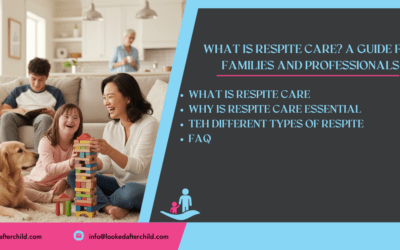
What is Respite Care? A Guide for Families and Professionals
If you are a parent navigating social services involvement or a dedicated professional in the residential childcare sector, you’ve likely heard the term "respite care". But what does it actually mean for the child and the adults supporting them? At Looked After Child, we believe that respite isn't...
What is Kinship Care? A Guide for Families and Professionals
Kinship care is when a child lives full-time with a relative or friend who is not their parent because their birth parents are unable to care for them. This arrangement—often called ‘family and friends care’—prioritizes the child’s need for stability, cultural identity, and emotional security...
What is a Junior ISA for Children in Care?
A Junior ISA (JISA) for children in care is a long-term, tax-free savings account opened by the UK government for children who have been in continuous care for at least one year. These accounts ensure that young people leaving the care system have a financial "nest egg" to help them transition...
What is a Waking Night Shift in Residential Childcare?
A waking night shift is a period of professional duty where a staff member remains fully awake and alert throughout the night to ensure the safety, wellbeing, and emotional support of children in a residential setting. Unlike a "sleep-in" shift, the staff member does not go to bed; they are...
What Does a Sleep-In Shift Involve?
A sleep-in shift typically begins in the evening and ends the following morning. While the staff member is there to rest, they are "on-call" to respond immediately to any incidents, emotional distress, or emergencies that arise during the night. Key Features of a Sleep-In: Presence and Safety: The...
The Care Leaver Covenant: Your Guide to Support and Opportunities
What is the Care Leaver Covenant? The Care Leaver Covenant is a national inclusion programme in England designed to support young people aged 16 to 25 as they transition from the care system to independent living. It is a formal "promise" made by private, public, and voluntary sector organisations...
Supporting LGBTQ+ Youth in the Care System
Navigating the care system is a significant challenge, but for young people who identify as LGBTQ+, the experience often includes layers of complexity that require specific, informed support. Creating a truly inclusive environment means moving beyond "tolerance" toward active validation. What is...
Understanding the Statement of Purpose: A Guide for Families and Professionals
The phrase "Statement of Purpose" might sound like a dry, legal requirement, but in the world of residential childcare, it is actually the most important document a home possesses. It is the "DNA" of a children's home, outlining exactly how they will care for, protect, and support the children...
What Does “Staying Put” Mean?
"Staying Put" is an arrangement that allows a young person to continue living with their former foster carers after they turn 18. Instead of being required to move out into independent living on their 18th birthday, this arrangement enables them to remain in a stable, familiar environment until...
Coming Home: A Guide to the Reunification Process
Reunification is the process where a child in care returns to live with their birth family. It is the most common way for children to leave the care system in England, with approximately 27% to 29% of children exiting care returning to their birth parents or relatives. As someone who has navigated...