```html Semi-independent care is a structured, transitional accommodation provision designed for young people—typically aged 16 to 18—who are preparing to leave the statutory care system. It bridges the critical gap between heavily supported placements, such as foster care or children's homes, and...
Care Leavers
Focuses on the specific demographic of young people transitioning out of the care system who benefit from Junior ISAs.
The Weight of the Record: A Professional’s Guide to Handling Subject Access Requests (SARs) in Social Care
```html A Subject Access Request (SAR) or Data Access Request (DAR) is a legally binding request under the UK GDPR and Data Protection Act 2018 that allows individuals, including looked after children and care leavers, to obtain copies of their personal data. For social care professionals,...
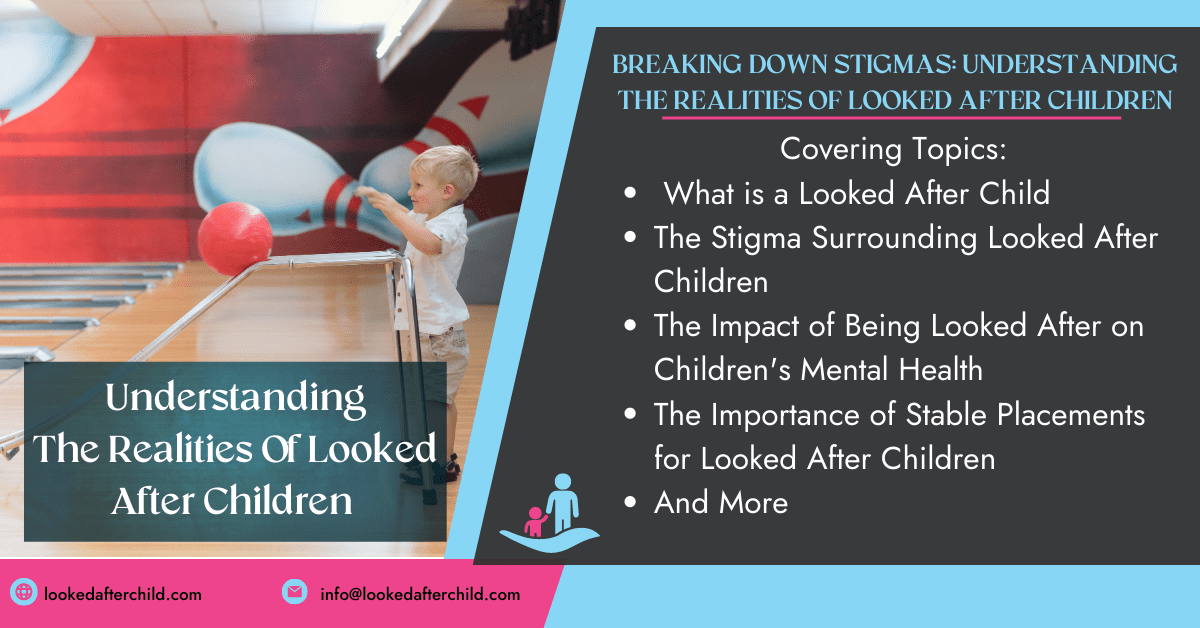
Breaking Down Stigmas: Understanding the Realities of Looked After Children
Introduction: What are Looked After Children? Looked After Children, also known as children in care, are individuals who are placed under the care and supervision of the local authority. This can occur for a variety of reasons, including neglect, abuse, or the inability of parents or guardians to...
What is a Junior ISA for Children in Care?
A Junior ISA (JISA) for children in care is a long-term, tax-free savings account opened by the UK government for children who have been in continuous care for at least one year. These accounts ensure that young people leaving the care system have a financial "nest egg" to help them transition...
The Care Leaver Covenant: Your Guide to Support and Opportunities
What is the Care Leaver Covenant? The Care Leaver Covenant is a national inclusion programme in England designed to support young people aged 16 to 25 as they transition from the care system to independent living. It is a formal "promise" made by private, public, and voluntary sector organisations...
Your Right to Complain: A Guide for Children in Care
A comprehensive guide for children in care on understanding and exercising their right to complain, detailing processes, support systems, and how to advocate for their well-being.
Can You Be Successful After Being in Care? Inspirational Stories for Care-Experienced Youth
As someone who has walked this path, I know that being "in care" can sometimes feel like a label that limits your future. But I’m here to tell you—and show you—that your history is not your destiny. Being in care does not stop you from achieving greatness; in fact, the resilience you develop can...
How to Build Resilience While Living in Care: Your Guide to Staying Strong
```html Growing up in care comes with a unique set of challenges, but it also gives you a chance to build incredible inner strength. Building resilience in care means developing the ability to bounce back from difficult situations, manage stress, and keep moving forward toward your goals. While it...
What Does “Staying Put” Mean?
```html "Staying Put" is an arrangement that allows a young person to continue living with their former foster carers after they turn 18. Instead of being required to move out into independent living on their 18th birthday, this arrangement enables them to remain in a stable, familiar environment...
What is a Personal Advisor (PA) in Social Care?
```html A Personal Advisor (PA) is a dedicated professional who provides practical and emotional support to young people as they transition from being "looked after" to living independently. Acting as a bridge between the care system and adulthood, a PA helps care leavers navigate everything from...
The Real Panel: Why Care-Experienced Children Must Interview Prospective Foster Carers
In the social care sector, we talk a lot about "child-centered practice." But there is a massive difference between talking about children and letting them lead the conversation. Here is why this step isn't just a "nice to have"—it is a fundamental necessity for modern fostering, and why I, as a...
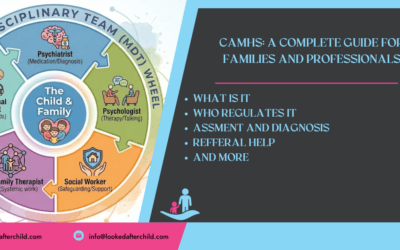
CAMHS: A Complete Guide for Families and Professionals
A comprehensive guide to Child and Adolescent Mental Health Services (CAMHS) for families and professionals, covering referrals, services, and support for young people’s mental health.