Discover the Local Care Offer: a comprehensive framework outlining support, care, and services provided by local authorities to promote wellbeing, independence, and social inclusion for all residents.
What is the Local Care Offer?
read more...


Guidance for leaders in residential, foster, and kinship care on effective management and policy implementation.
Discover the Local Care Offer: a comprehensive framework outlining support, care, and services provided by local authorities to promote wellbeing, independence, and social inclusion for all residents.

If you are caring for a looked-after child, or you are a professional new to the sector, the acronyms can feel endless. But the Personal Education Plan (PEP) is one of the most vital tools we have. In my years of experience, both living through the care system and working within it, I’ve seen PEP...
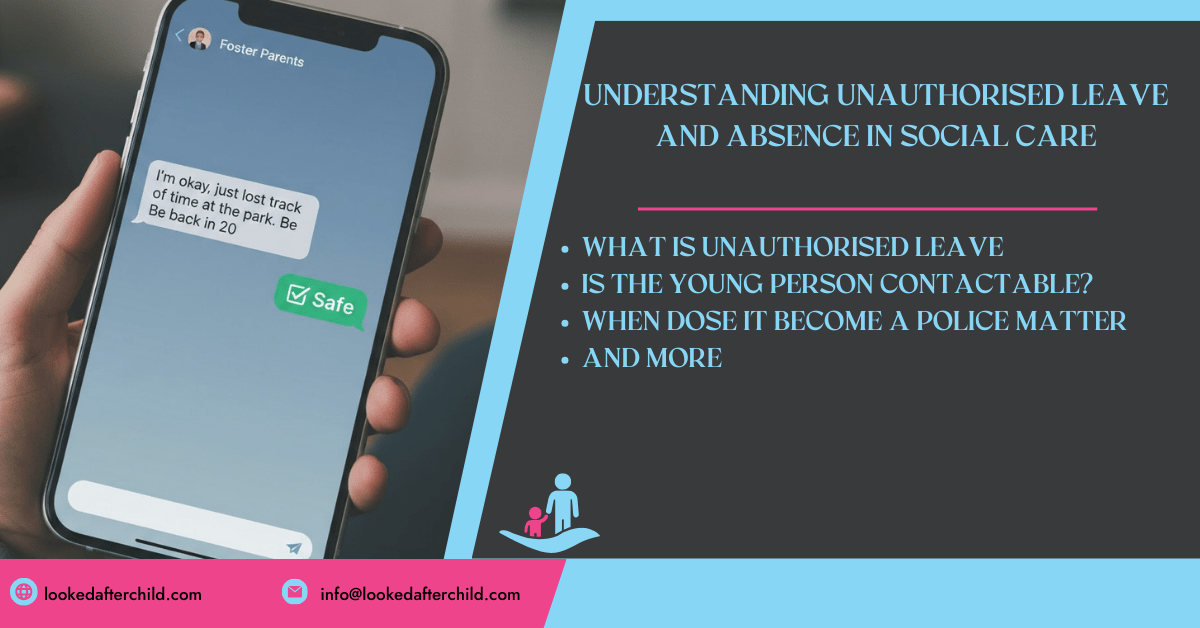
An unauthorised absence is any instance when a child is not where she/he should be. This includes the foster home, school, an authorised activity venue, etc. The police do not need to be informed of an unauthorised absence unless their wearabouts / reason is unknown or their is an risk of harm at the known location.
in the residential care sector, the Quality Standards (as set out in the Children’s Homes (England) Regulations 2015 ) represent the regulatory framework against which Ofsted inspects and judges provision. However, for high-performing providers, these standards should not be viewed merely as a...
Whether you are a foster carer, a residential childcare worker, or a connected person, understanding the statutory review process is vital. These meetings are not just administrative checkpoints; they are the moments where we ensure a child is safe, happy, and thriving. Here are the most...
```html If you are care-experienced, or working in the sector, you’ve probably heard people throwing numbers around like they are nicknames. "He’s on a Section 20," or "We’re going for a Section 31." When you are the young person in the middle of it, these numbers can feel like labels that define...
A comprehensive guide to understanding what constitutes a ‘looked after child’ or ‘child in care’ within the UK’s child welfare system, covering legal definitions, reasons for entry into care, and placement types.
A Section 31 Care Order also know as a full care order is a significant legal measure in the UK that grants the local authority responsibility for a child's care. This means decisions about the child's upbringing, including where they live, their education, and their healthcare, are made by the...
In our relentlessly fast-paced world, you play a crucial role in steering children towards activities that promote relaxation and mindfulness. Your exploration into these simple yet deeply impactful activities is key to enhancing the well-being of young minds. You are instrumental in nurturing a...
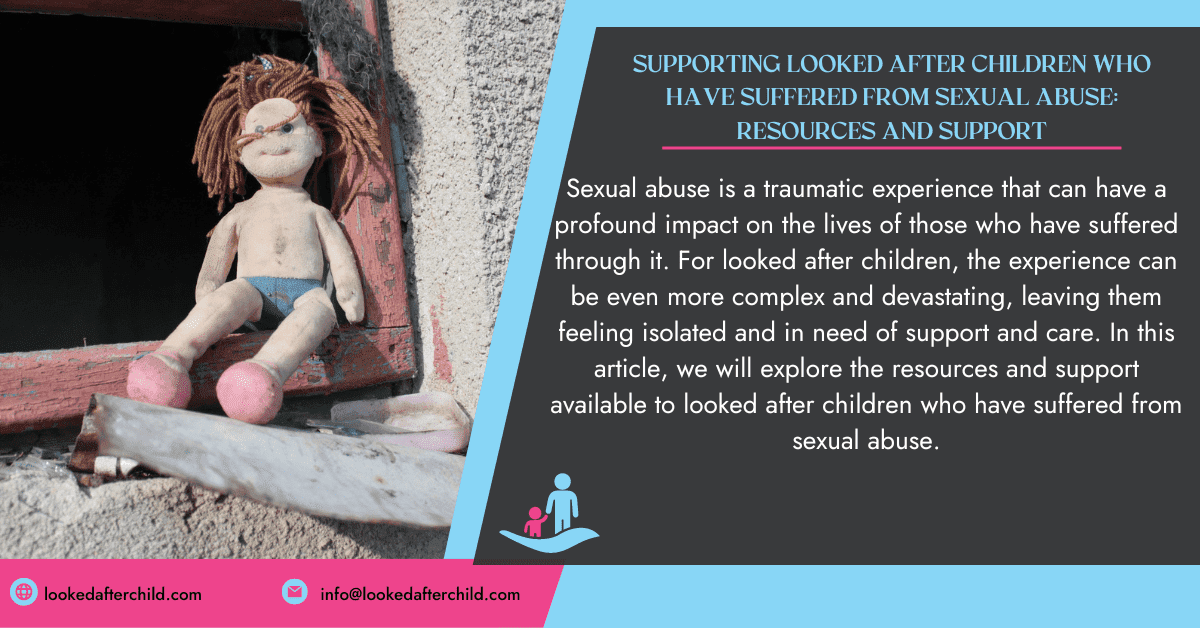
Sexual abuse is a traumatic experience that can have a profound impact on the lives of those who have suffered through it. For looked after children, the experience can be even more complex and devastating, leaving them feeling isolated and in need of support and care. In this article, we will...
Sometimes Placements just don’t work out, and that’s fine. A Disruption meeting will be called when a placement is close to breaking down or has ended abruptly this will normally happen prior to a Stability meeting but can be escalated straight to a disruption meeting depending on the placements Warning Procedures or the circumstance of the issue
A Placement Stability Meeting will be called when the placement of a child in foster care, residential or a semi-independence placement is considered to be at risk of disrupting.

Make a Lasting Difference
Every child deserves an environment where they feel safe, heard, and valued. Sign up to the Looked After Child Limited newsletter to learn more about our fostering and residential care communities, receive guidance on starting your career in care, and discover how you can support positive outcomes for vulnerable young people.