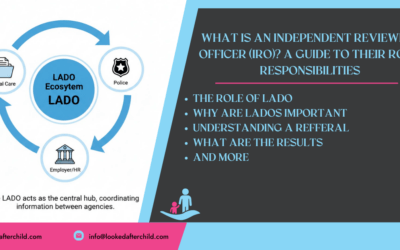
A Local Area Designated Officer (LADO) is a statutory role within the UK children's services. Their primary responsibility is to manage and oversee allegations made against adults who work with children (whether in a paid or voluntary capacity). The LADO ensures that all allegations are handled...
Care Leadership
Guidance for leaders in residential, foster, and kinship care on effective management and policy implementation.
The Real Panel: Why Care-Experienced Children Must Interview Prospective Foster Carers
In the social care sector, we talk a lot about "child-centered practice." But there is a massive difference between talking about children and letting them lead the conversation. Here is why this step isn't just a "nice to have"—it is a fundamental necessity for modern fostering, and why I, as a...
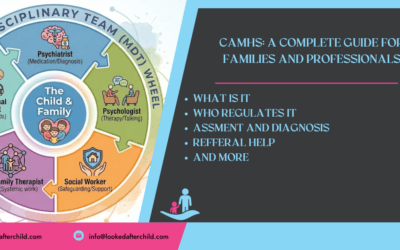
CAMHS: A Complete Guide for Families and Professionals
A comprehensive guide to Child and Adolescent Mental Health Services (CAMHS) for families and professionals, covering referrals, services, and support for young people’s mental health.
What is an Independent Reviewing Officer (IRO)? A Guide to Their Role, Responsibilities, and How to Become One
What is an Independent Reviewing Officer (IRO)? An Independent Reviewing Officer (IRO) is a qualified and experienced social worker responsible for chairing the statutory reviews of a looked-after child’s care plan. Their primary legal duty is to ensure that the local authority is meeting the...
What is the Local Care Offer?
Discover the Local Care Offer: a comprehensive framework outlining support, care, and services provided by local authorities to promote wellbeing, independence, and social inclusion for all residents.
Personal Education Plans – PEP: A Guide for Families & Professionals
If you are caring for a looked-after child, or you are a professional new to the sector, the acronyms can feel endless. But the Personal Education Plan (PEP) is one of the most vital tools we have. In my years of experience, both living through the care system and working within it, I’ve seen PEP...
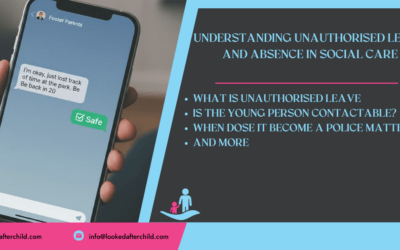
Understanding Unauthorised Leave and Absence in Social Care
An unauthorised absence is any instance when a child is not where she/he should be. This includes the foster home, school, an authorised activity venue, etc. The police do not need to be informed of an unauthorised absence unless their wearabouts / reason is unknown or their is an risk of harm at the known location.
Achieving Excellence: A Strategic Overview of the 9 Quality Standards in Residential Care
in the residential care sector, the Quality Standards (as set out in the Children’s Homes (England) Regulations 2015) represent the regulatory framework against which Ofsted inspects and judges provision. However, for high-performing providers, these standards should not be viewed merely as a...
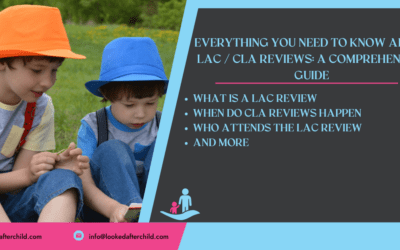
Everything You Need to Know About LAC / CLA Reviews: A Comprehensive Guide
Whether you are a foster carer, a residential childcare worker, or a connected person, understanding the statutory review process is vital. These meetings are not just administrative checkpoints; they are the moments where we ensure a child is safe, happy, and thriving. Here are the most...
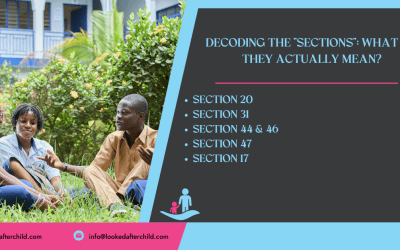
decoding the “sections”: what do they actually mean?
```html If you are care-experienced, or working in the sector, you’ve probably heard people throwing numbers around like they are nicknames. "He’s on a Section 20," or "We’re going for a Section 31." When you are the young person in the middle of it, these numbers can feel like labels that define...
What is a looked after child / Child In Care
A comprehensive guide to understanding what constitutes a ‘looked after child’ or ‘child in care’ within the UK’s child welfare system, covering legal definitions, reasons for entry into care, and placement types.
Understanding Section 31 Care Orders: A Comprehensive Guide
A Section 31 Care Order also know as a full care order is a significant legal measure in the UK that grants the local authority responsibility for a child's care. This means decisions about the child's upbringing, including where they live, their education, and their healthcare, are made by the...