Explore how cultural competency and the innovative use of heritage kits can transform social care by affirming identity and improving outcomes for diverse populations, particularly children in care.
Care Leadership
Guidance for leaders in residential, foster, and kinship care on effective management and policy implementation.
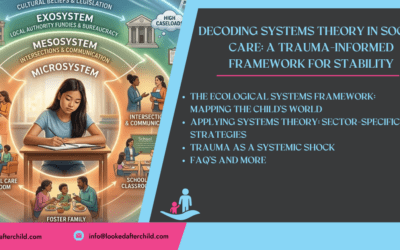
Decoding Systems Theory in Social Care: A Trauma-Informed Framework for Stability
Systems theory in social care is an operational framework that views a child not in isolation, but as a central figure within a complex, interconnected network of environments—from their immediate residential placement to broader legislative structures. To create sustainable, trauma-responsive...
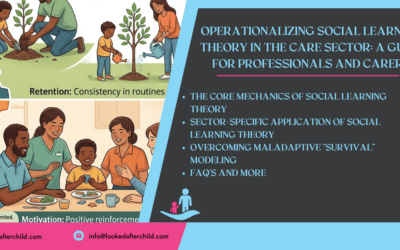
Operationalizing Social Learning Theory in the Care Sector: A Guide for Professionals and Carers
Social Learning Theory, pioneered by Albert Bandura, establishes that individuals learn behaviors, emotional reactions, and attitudes through the observation and imitation of others. For professionals and carers looking after children, this theory is not just an academic concept; it is the...
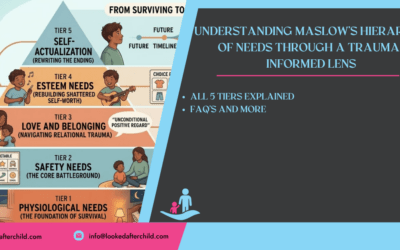
Understanding Maslow’s Hierarchy of Needs Through a Trauma-Informed Lens
Tier 1: Physiological Needs (The Foundation of Survival) In a traditional sense, physiological needs include air, water, food, shelter, sleep, and clothing. In a residential or foster care setting, these are the baseline statutory requirements. However, providing these elements is only the first...
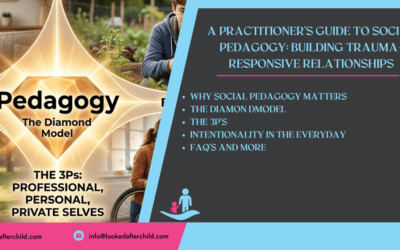
A Practitioner’s Guide to Social Pedagogy: Building Trauma-Responsive Relationships
Social pedagogy is a holistic framework for working with children and young people that integrates education and care into a single professional practice. It focuses on the "head, heart, and hands" to support the development of the whole person through meaningful, everyday relationships. In the...
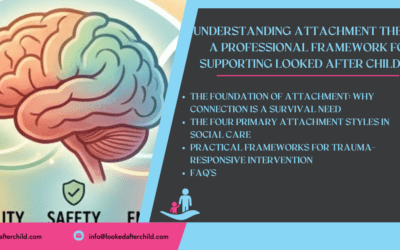
Understanding Attachment Theory: A Professional Framework for Supporting Looked After Children
Attachment theory is the fundamental psychological framework used to understand how the quality of early relationships between a child and their primary caregiver dictates the child's lifelong emotional, social, and cognitive development. For professionals in the social care sector—including...
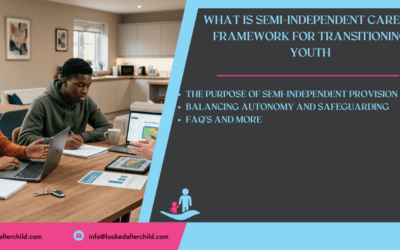
What is Semi-Independent Care? A Framework for Transitioning Youth
```html Semi-independent care is a structured, transitional accommodation provision designed for young people—typically aged 16 to 18—who are preparing to leave the statutory care system. It bridges the critical gap between heavily supported placements, such as foster care or children's homes, and...
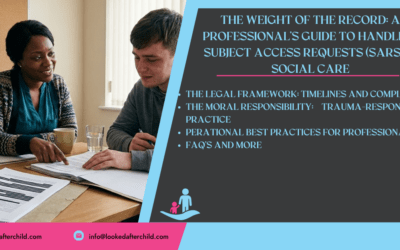
The Weight of the Record: A Professional’s Guide to Handling Subject Access Requests (SARs) in Social Care
```html A Subject Access Request (SAR) or Data Access Request (DAR) is a legally binding request under the UK GDPR and Data Protection Act 2018 that allows individuals, including looked after children and care leavers, to obtain copies of their personal data. For social care professionals,...
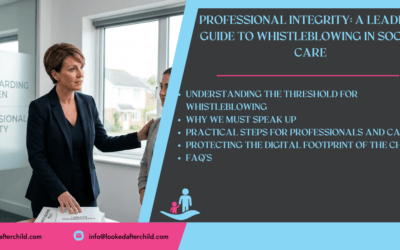
Professional Integrity: A Leader’s Guide to Whistleblowing in Social Care
Whistleblowing is the professional and ethical obligation to report serious concerns regarding wrongdoing, risk, or malpractice within a care setting to protect the safety and well-being of children. It is a vital safeguarding mechanism, protected under the Public Interest Disclosure Act 1998,...
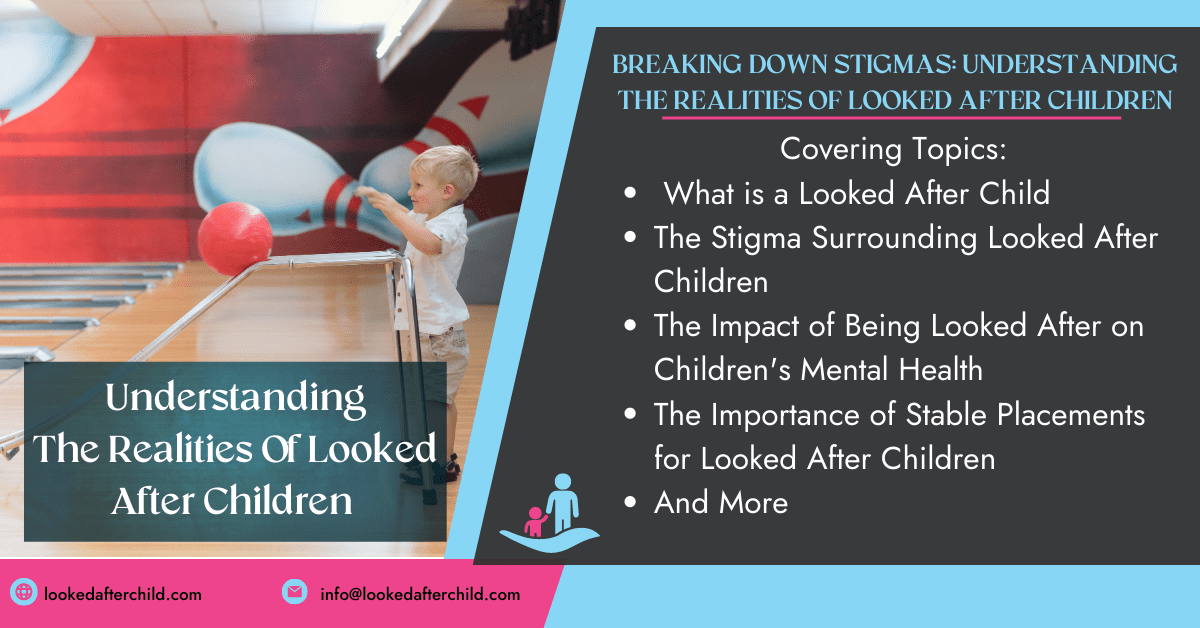
Breaking Down Stigmas: Understanding the Realities of Looked After Children
Introduction: What are Looked After Children? Looked After Children, also known as children in care, are individuals who are placed under the care and supervision of the local authority. This can occur for a variety of reasons, including neglect, abuse, or the inability of parents or guardians to...
Understanding Looked After Child (LAC) Health Assessments: A Guide for Professionals and Carers
```html Looked After Child (LAC) Health Assessments are statutory clinical evaluations designed to ensure that children in care receive the same standard of healthcare as their peers, with specific attention to the unique health needs arising from their life experiences. These assessments are a...
Understanding the Difference Between Foster Care and Residential Care: A Professional Guide
```html The primary difference between foster care and residential care lies in the environmental structure and the framework of therapeutic support. Foster care places a child within a family home environment with approved foster carers, offering a highly personalized, family-dynamic setting....